
 2 months ago
12130
2 months ago
12130

The post Bitcoin Enters Hormuz Standoff as Iran Explores Sanctions Workarounds appeared first on Coinpedia Fintech News
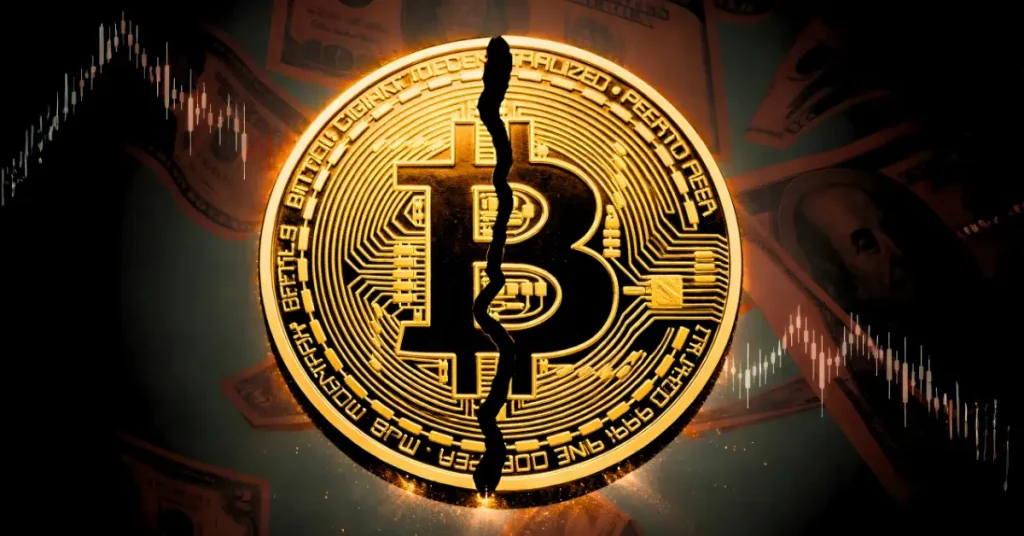
Iran’s reported plan to charge oil tankers a fee in Bitcoin or Chinese yuan to pass through the Strait of Hormuz is drawing global attention, as it mixes geopolitics with cryptocurrency in a way rarely seen before.
According to messages sent to ships in the region, tankers may need to pay between about $0.50 and $1.50 per barrel of oil to pass through the narrow waterway. For large ships, that could mean paying millions of dollars per trip.
The warning was clear. Ships must pay quickly to get approval. Those that try to pass without permission could face serious consequences. Right now, hundreds of vessels are said to be waiting near the Gulf, unsure how the situation will play out.
Why Bitcoin?
The idea behind this move is simple. By asking for Bitcoin or yuan, Iran could avoid the traditional banking system, which is heavily controlled by Western countries and often used to enforce sanctions.
Instead of using dollars and bank transfers, payments would move through alternative systems. In this case, that could mean direct crypto transfers or non-dollar settlement channels.
Social media fuels big numbers
The story has quickly spread online, especially in crypto circles.
One user on X claimed that if Iran charges around $2 million per ship, that would equal about 27 Bitcoin at current prices. If around 130 ships pass daily, as they did before tensions rose, that could mean over 3,600 Bitcoin in daily payments.
For comparison, only about 450 Bitcoins are mined each day.
The user suggested this could allow Iran to build a large Bitcoin reserve over time. But these estimates are based on assumptions, and there is no proof this level of activity is happening.
Is this actually happening?
There are reports that some ships may already be using non-dollar payments to pass through the region, but details are limited.
It’s still unclear:
- How many ships would agree to pay
- Whether insurers would allow it
- How governments would respond
Because of these unknowns, the plan may not scale easily.













 English (US)