
 2 hours ago
1309
2 hours ago
1309

The Bitcoin network has recently experienced its second most significant adjustment in mining difficulty this year, with a decline of 10.09%. This change, which occurred at block number 953,568, has reduced the difficulty from 138.96 trillion to 124.93 trillion, reigniting discussions about the network’s stability and the financial performance of miners.
Why did the hash rate decrease?
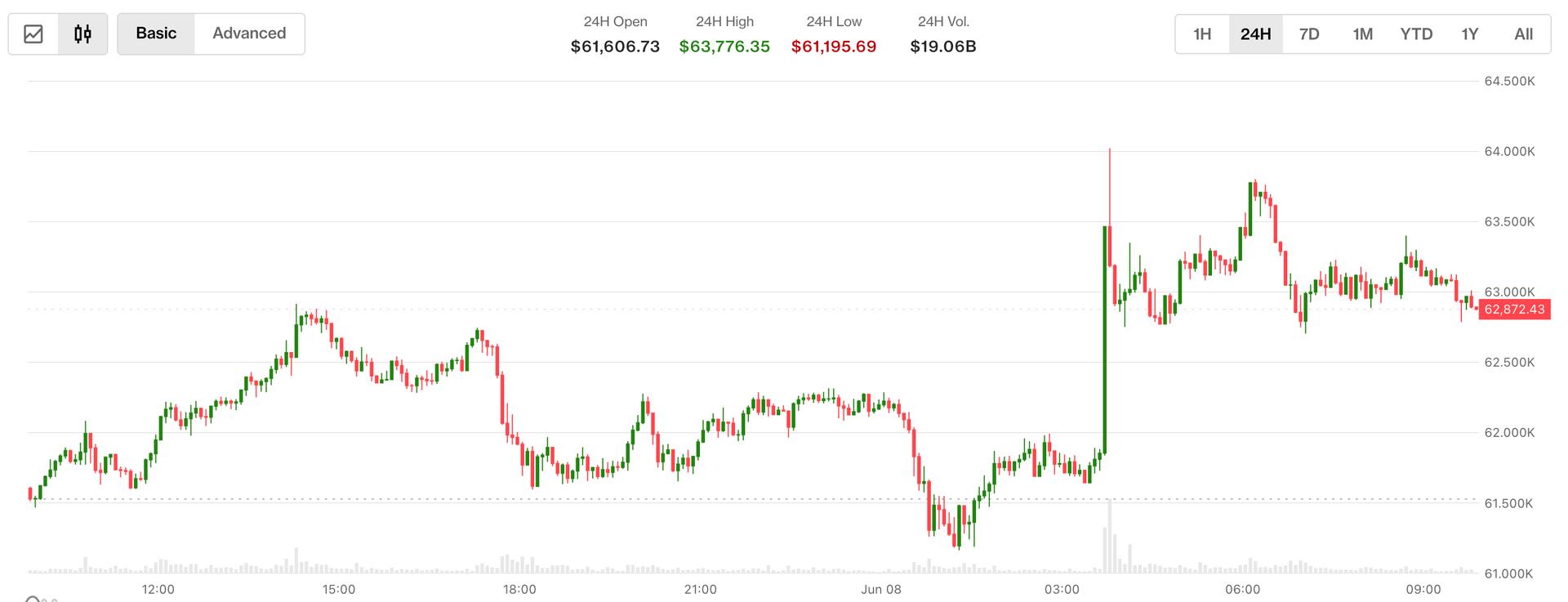
A significant contributing factor to this difficulty adjustment is a reduced hash rate. Galaxy Research highlights a decrease in Bitcoin’s price by around 15% at the beginning of June, which considerably squeezed miners’ profit margins. To mitigate financial setbacks, several mining operators shut down obsolete hardware.
According to Galaxy Research, the approximately 15% price slump in June put significant pressure on miners’ margins, prompting some hash power to go offline as a result.
Moreover, there is a trend where electricity is being directed from Bitcoin mining towards other high-tech applications, such as high-performance computing and AI data facilities. This shift is especially evident in larger operations and affects how these entities utilize their energy resources.
Are block intervals exceeding expected limits?
The reduction in computational power has directly influenced the operational pace of the Bitcoin network, leading to prolonged block intervals. The most recent change caused the difficulty interval to extend to 15.6 days, surpassing Bitcoin’s typical 14-day target period for adjustments.
Currently, the average time to process a block stands at 13.23 minutes, which is slower by about 3.23 minutes compared to the expected interval. This calculation is based on average daily difficulty and the network’s SHA 256 algorithm.

Temporary respite for miners?
Despite an average change of minus 13.86% over the past 90 days, this particular 10.09% adjustment could offer some short-term alleviation for miners. Predictions from EnergyMag suggest this reduction might elevate Bitcoin output per unit of active hash rate by over 9%.
Experts believe that miners might see the hash price climb back over $30 per PH/s, a crucial level for profitability and sustainability in mining operations.
Looking ahead, the next difficulty shift is slated for Thursday, with indications pointing towards a further drop of 24.43%. If confirmed, this could push mining difficulty down to 94.41 trillion from the current level, potentially offering more reassurance to miners facing economic hurdles.
Disclaimer: The information contained in this article does not constitute investment advice. Investors should be aware that cryptocurrencies carry high volatility and therefore risk, and should conduct their own research.








![KOSPI Index Crash, South Korea Stock Market Bloodbath [LIVE] – 8th June](https://image.coinpedia.org/wp-content/uploads/2026/03/03183804/Korean-Stock-Market-Crash-KOSPI-Plunges-7-Amid-U.S.%E2%80%93Israel-Iran-War-1-1024x536.webp)









 English (US)