
 1 month ago
9543
1 month ago
9543

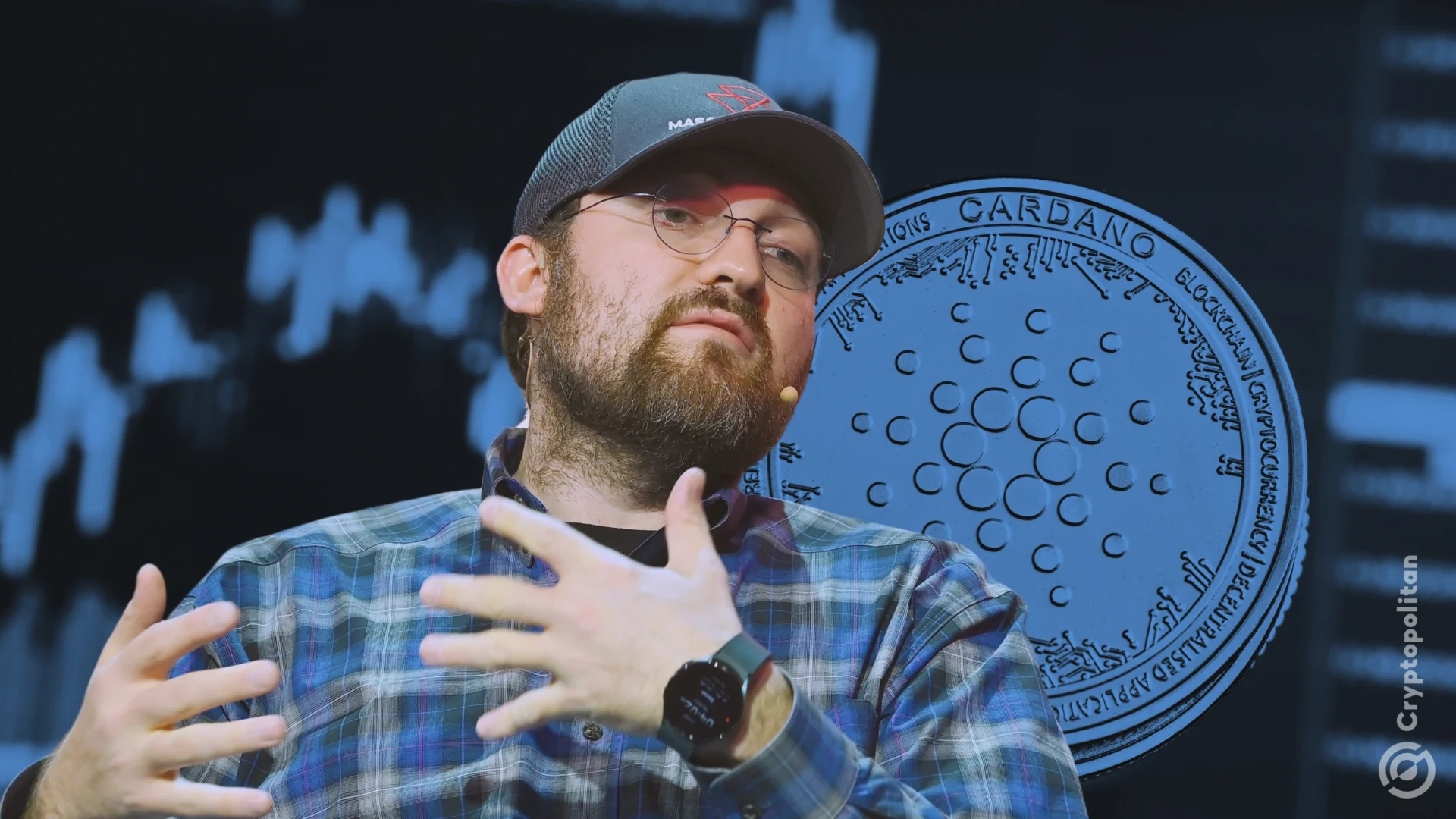
A recent dialogue between Charles Hoskinson, the founder of Cardano, and Adam Back, CEO of Blockstream, has stirred renewed focus on the impact of quantum computing advancements on Bitcoin security. Occurring on the social platform X, their conversation pondered whether Bitcoin’s current plans effectively safeguard legacy coins, should quantum computing become a significant threat to cryptographic integrity.
Is Bitcoin Prepared for a Quantum Leap?
Back, a prominent figure in Bitcoin’s development landscape and at the helm of Blockstream, addressed the potential implications of quantum computer technologic evolution on digital currencies. As Blockstream is deeply engaged in Bitcoin’s cryptographic shielding and network fortification, Back positioned current quantum technologies as speculative concerns rather than immediate dangers. He reaffirmed the vigilance of Bitcoin’s development teams in exploring solutions to potential quantum-induced vulnerabilities.
Back also criticized attempts to exploit quantum fears for the promotion of new quantum-resilient businesses, emphasizing the steady and serious effort ongoing within the technical community over sensationalized narratives. Despite recognizing the remote possibility of meaningful quantum threats, Back refrained from outlining a precise timeline for implementing quantum-resistant defenses.
Can Legacy Bitcoin Survive Without a Hard Fork?
Leading Cardano’s advancements, Hoskinson redirected the discussion towards Bitcoin’s legacy coins stored in older formats. His contributions, at Cardano’s helm, have traditionally focused on computational robustness and expansion. He articulated concerns about early Bitcoin address frameworks, which leave public keys susceptible on the blockchain. A sufficiently advanced quantum computer, he argued, might decrypt these keys, threatening the security of historical coins.
Hoskinson proposed that a hard fork might be the sole solution to protect these legacy assets, given its capacity to overhaul Bitcoin’s architecture—albeit at the cost of potential disagreements within the community. Hard forks, by nature, are divisive and can lead to undesirable splits.

Back responded, asserting that while the immediate risk from quantum technology is negligible, research will persevere. Still, the specifics of securing susceptible legacy coins outside of a hard fork remained unexplained.
This public interaction underscored the intricate challenges facing blockchain networks in adapting to prospective quantum threats, highlighting the disparate views between industry leaders. As of now, Bitcoin developers have yet to propose official solutions to quantum concerns threatening older coins.
Key insights from the exchange include:
- The current state of quantum computing remains primarily theoretical, with distant practical threats.
- The need for a hard fork to secure legacy coins indicates significant protocol adjustments.
- Diverse opinions exist on urgency and approaches for quantum adaptation.
Thus far, no official roadmap or initiatives addressing quantum resilience specifically for Bitcoin’s legacy holdings have emerged. The technology community continues to monitor developments, with a focus on maintaining the blockchain’s integrity as quantum computing evolves.
Disclaimer: The information contained in this article does not constitute investment advice. Investors should be aware that cryptocurrencies carry high volatility and therefore risk, and should conduct their own research.





![KOSPI Index Crash, South Korea Stock Market Bloodbath [LIVE] – 8th June](https://image.coinpedia.org/wp-content/uploads/2026/03/03183804/Korean-Stock-Market-Crash-KOSPI-Plunges-7-Amid-U.S.%E2%80%93Israel-Iran-War-1-1024x536.webp)








 English (US)