
 1 month ago
9860
1 month ago
9860

The post India Expands E-Rupee Use With Welfare Payments to Farmers and Food Schemes appeared first on Coinpedia Fintech News
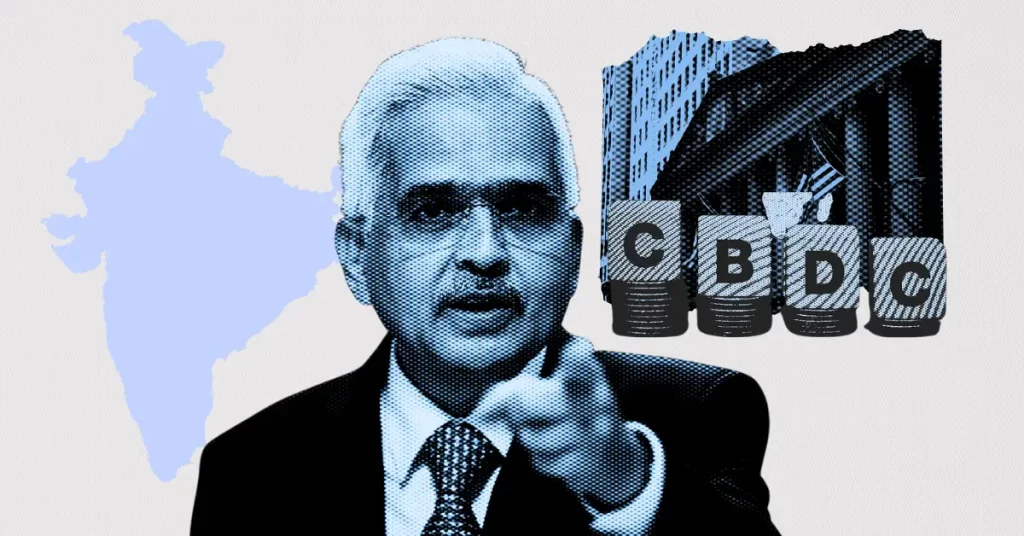
India launched new e-rupee pilots to distribute welfare payments directly to farmers and food subsidy beneficiaries, aiming to reduce corruption and boost CBDC adoption. The move shifts funds from traditional systems to digital wallets. This indicates a push toward controlled and targeted digital payments.
RBI Rolls Out CBDC Pilots Across Welfare Programs
According to the Reserve Bank of India, nearly 10 pilot programs are now active to integrate the e-rupee into the country’s $80 billion welfare system.
These pilots focus on sending subsidies directly into digital wallets, cutting out middlemen and reducing delays. Farmers and food scheme beneficiaries are now receiving funds instantly, improving efficiency in distribution.
A key feature of this system is programmability. This means the money can only be used for specific purposes, such as buying seeds, fertilizers, or essential food items.
BREAKING:  India is pushing the e-rupee (CBDC) through welfare payments.
New Delhi is running 10 CBDC pilots for farmers and food subsidies to stop corruption and boost adoption.
India is also exploring a BRICS CBDC link ahead of the 2026 summit to cut reliance on the US… pic.twitter.com/yx4DYPpgnU
Why India Is Pushing CBDC Adoption
India’s digital currency has struggled to gain traction since its launch in December 2022.
So far, the e-rupee has reached around 10 million users, with total transactions near $3.6 billion. In comparison, India’s UPI system processed over 22.6 billion transactions in March 2026 alone.
This gap shows that people already have efficient payment options, making it harder for the e-rupee to grow naturally.
To solve this, the RBI is now focusing on real-world use cases, especially through government payments, where adoption can be driven directly.
The new system brings clear advantages.
Funds now reach the intended users directly, reducing the chances of leakage or misuse. Payments are faster, more transparent, and easier to track.
For example, in states like Maharashtra and Gujarat, subsidies are already being tested with restrictions on where the money can be spent, ensuring it is used for its intended purpose.
Concerns Over Control and Limited Use
Despite these benefits, concerns are growing.
Critics argue that programmable money limits user freedom, as people cannot spend funds however they choose. This raises questions about financial control and privacy.
Some also believe that forcing adoption through welfare programs may not create long-term user interest.
India’s CBDC push is also tied to its global ambitions.
The country is exploring a potential CBDC link within the BRICS group to make cross-border payments faster and reduce reliance on the US dollar.
If adoption grows, CBDCs could become a bigger part of everyday finance. If not, existing systems like UPI may continue to dominate.

















 English (US)