
 3 months ago
12610
3 months ago
12610

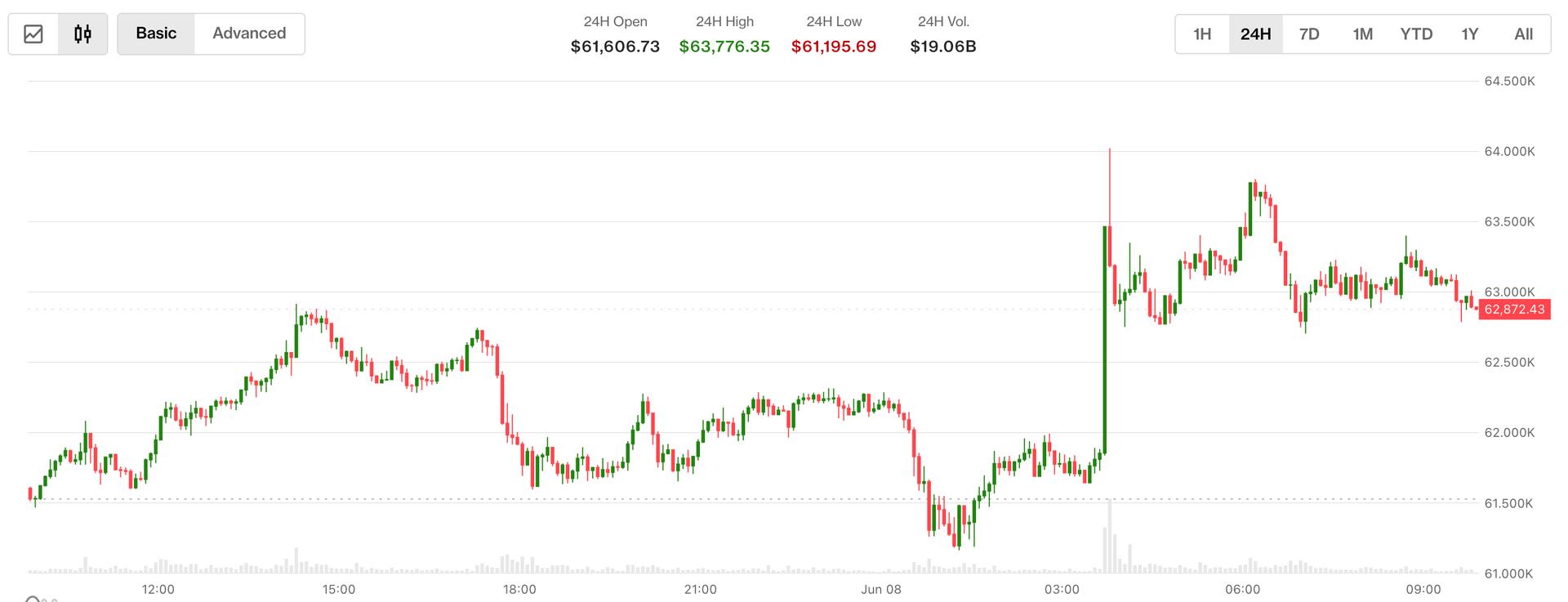
Bitcoin experienced a significant downturn after the U.S., led by President Trump, increased global tariffs from 10% to 15%, causing the cryptocurrency to fall below $65,000. This decline, observed during Asian trading, jolted the market, causing around $230 million in long position liquidations. The fallout comes amid ongoing geopolitical tensions and economic uncertainty that have left digital assets struggling through a challenging five-month period of negative returns.
Can Bitcoin Miners Sustain The Pressure?
The economic pressure on Bitcoin miners has become severe, as Bitcoin prices have slipped beneath the average mining cost of $87,000. This shift in dynamics is compelling miners to revise their business strategies. Big players, like Bitdeer Technologies Group, have divested their entire Bitcoin holdings to pivot their focus toward artificial intelligence investments. This move highlights a sector-wide trend of miners reallocating their resources into technology ventures.
The widespread sell-off doesn’t only aim at operational cost recovery but indicates a strategic realignment towards technologically advanced sectors. Online interest in whether Bitcoin is “dead” has surged to levels similar to the aftermath of the FTX crisis, though the market’s muted response suggests a modicum of resilience not seen in past turmoil.
How Are Institutional Players Reacting?
In the face of uncertainty, institutional investors continue to hedge their bets, with demand for protective put options remaining steady. Though cautious, a less intense defensive stance implies a rebalancing of market positions, indicating that big stakeholders aren’t rushing for the exits, provided their margins aren’t under new threats.
ETFs, particularly those with institutional backing, faced a net withdrawal of $316 million. However, this is seen as a move toward efficient capital allocation rather than a retreat. Financial giants like Brevan Howard are shifting from Bitcoin ETFs to the derivatives market, pointing to an ongoing, if altered, interest in cryptocurrencies.

“Miners are increasingly prioritizing liquidity and diversifying into technology ventures as traditional margins evaporate,” industry executives noted, adding that shifts among institutional players reflect structural adaptation rather than waning sector interest.
The volatility and evolving investment behaviors are shaping new engagement strategies for major market players. Rather than withdrawing from the market, several large investors are embracing complex risk management tactics, demonstrating agility in readjusting asset distribution between spot and derivative markets.
While miners continue to offload holdings and ETFs see liquidity-driven sell-offs, the market’s limited reaction to negative news suggests a nascent maturity. The absence of panic on a scale seen during previous crises is considered a positive sign that foundational stabilization might be taking root.
The recovery remains clouded by uncertainty, with economic and geopolitical challenges still looming. Achieving a substantive rebound in Bitcoin hinges on surpassing crucial resistance levels and evolving institutional investment strategies.
Disclaimer: The information contained in this article does not constitute investment advice. Investors should be aware that cryptocurrencies carry high volatility and therefore risk, and should conduct their own research.











![KOSPI Index Crash, South Korea Stock Market Bloodbath [LIVE] – 8th June](https://image.coinpedia.org/wp-content/uploads/2026/03/03183804/Korean-Stock-Market-Crash-KOSPI-Plunges-7-Amid-U.S.%E2%80%93Israel-Iran-War-1-1024x536.webp)





 English (US)