
 3 months ago
16344
3 months ago
16344

Bitcoin teeters near a critical support level that could affect its future trajectory. According to João Wedson, the digital currency risks significant downturns if it dips below $63,700, as indicated by a Fibonacci-based on-chain average price model. This level serves as a foundational base for Bitcoin, and breaching it could suggest a market shift.
Why Are Fibonacci Support Bands Important?
Analyses produced by Alphractal reveal Bitcoin’s average market price fitted within Fibonacci ratios, examined through different time segments. The longer-term chart covers periods from 2020 to early 2026, offering insights into past market behavior. By applying Fibonacci ratios, the model delineates dynamic zones of support and resistance, indicated by a spectrum of colors. These zones assist traders in pinpointing potential reversal points.
In the near term, Bitcoin soared near $100,000 between late 2024 and early 2025, experiencing a rapid decline afterwards, breaking through several support levels. Currently, the price holds between the blue and turquoise bands—historically an area showing neutrality in pricing compared to Bitcoin’s long-term history.
Which Levels Are under Wedson’s Scrutiny?
Wedson emphasizes the $63,700 figure—a unique on-chain data point—as crucial. Previous falls below this level have often led to periods where the market undergoes substantial redistributions. If Bitcoin slips under this figure, next support zones include $57,000, $52,400, and ultimately $48,700, which would equate to a near 28% decline from current prices.
It’s important to note that these support levels are fluid, adapting daily according to real-time blockchain transactions. Thus, though $63,700 stands as the threshold now, it might shift along with market developments in subsequent days. Monitoring these changes becomes vital for understanding market trends.

What If This Essential Support Level Fails?
A dip below this critical average price would signify a shift for many Bitcoin holders, turning their profitable positions into losses when compared to their original investment costs. This market behavior transition often leads investors to offload to mitigate further losses.
“A break below this support signals a movement from accumulation to active distribution,” notes Wedson, alluding to similar patterns recently seen in Ethereum, impacting market sentiment post-support breach.
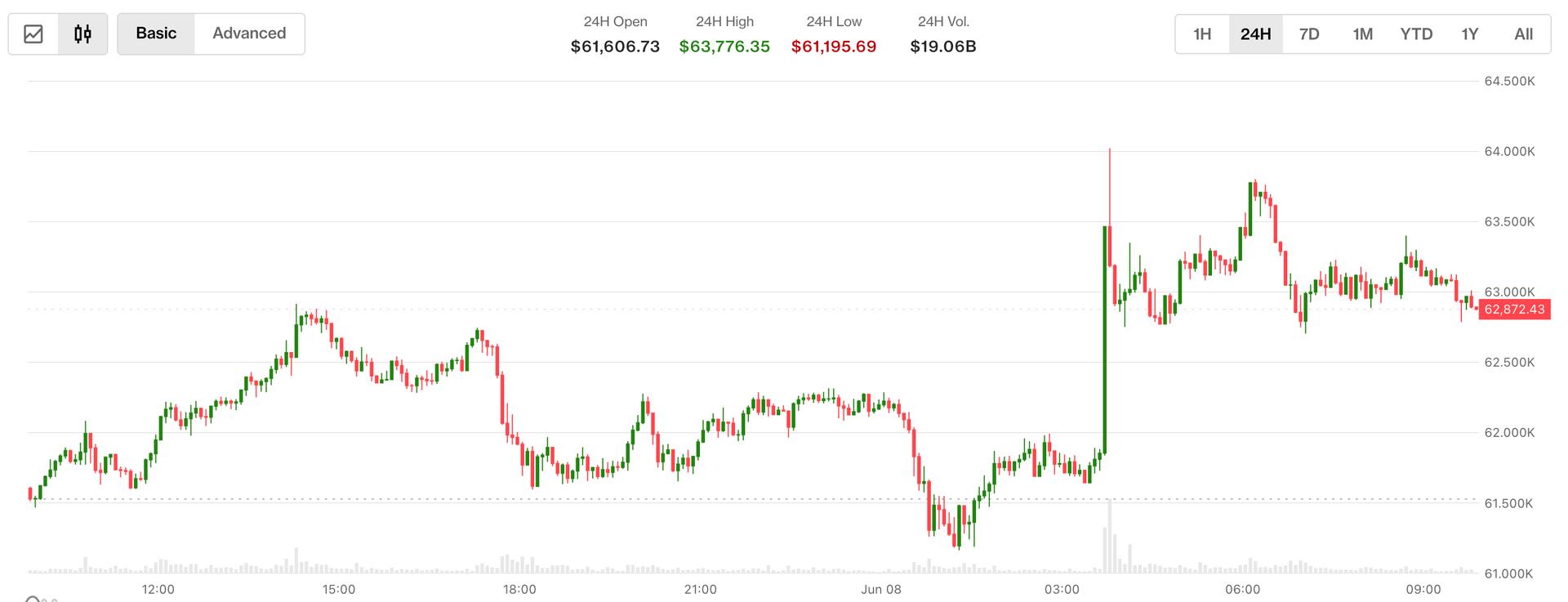
Currently, Bitcoin remains above the $63,700 mark, with prices near $68,000—approximately 6% above the feared threshold. The market will closely watch movements in the coming days to determine if Bitcoin can keep this buffer intact.
Disclaimer: The information contained in this article does not constitute investment advice. Investors should be aware that cryptocurrencies carry high volatility and therefore risk, and should conduct their own research.









![KOSPI Index Crash, South Korea Stock Market Bloodbath [LIVE] – 8th June](https://image.coinpedia.org/wp-content/uploads/2026/03/03183804/Korean-Stock-Market-Crash-KOSPI-Plunges-7-Amid-U.S.%E2%80%93Israel-Iran-War-1-1024x536.webp)








 English (US)