
 1 hour ago
591
1 hour ago
591

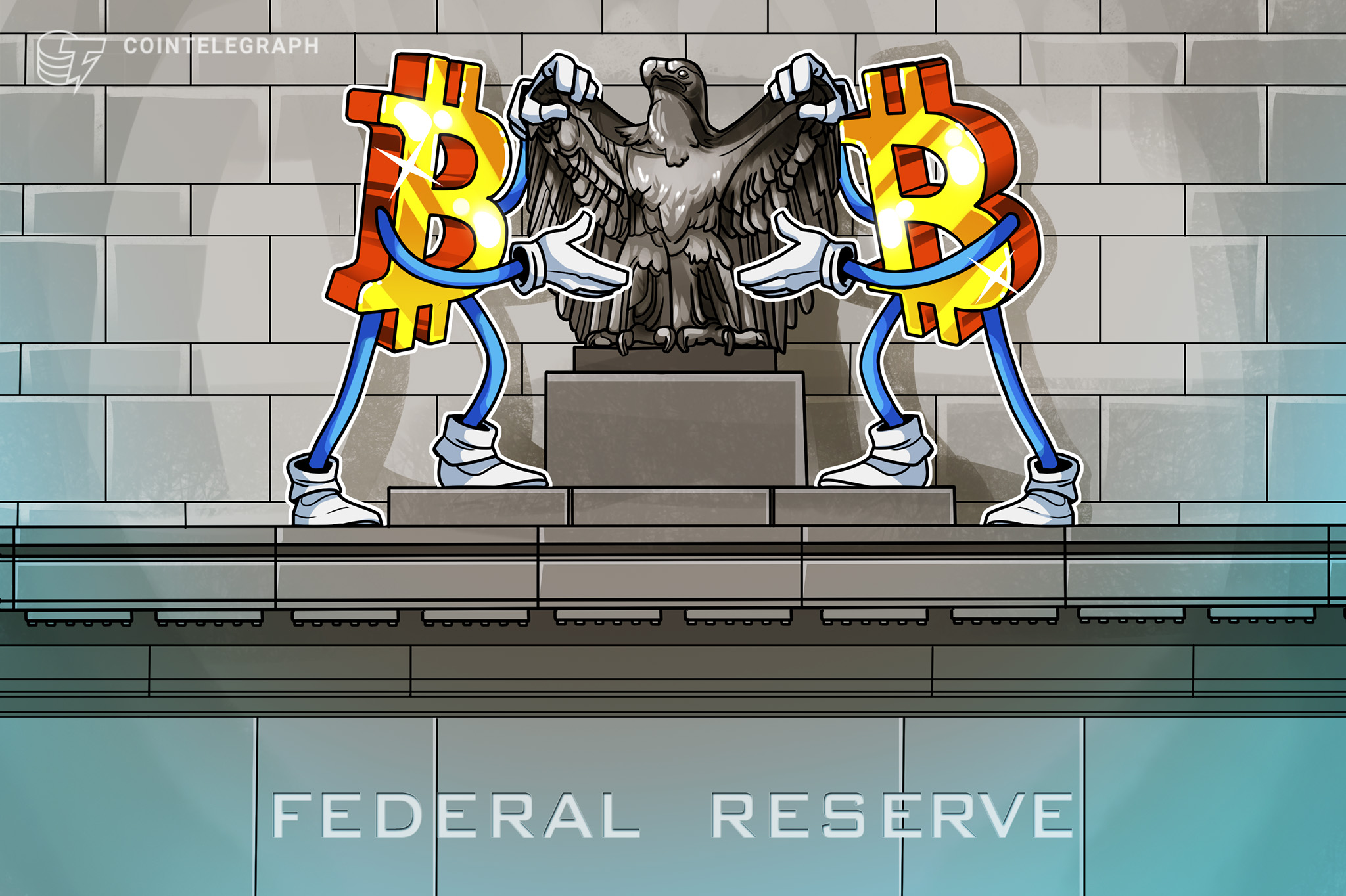
In a significant legislative move, the US Senate recently approved the 21st Century ROAD to Housing Act with a decisive 85 to 5 vote. Although primarily aiming to enhance housing availability and check the influence of major investors in the single-family housing sector, the bill has sparked considerable attention in financial markets due to one distinct provision. This provision effectively prevents the Federal Reserve from initiating a central bank digital currency (CBDC) until the conclusion of 2030.
FED Temporarily Prohibited from CBDC Initiatives
The measure specifically bars the FED from issuing or facilitating any digital currency directly or indirectly until the prescribed period ends. Any future consideration of such a digital dollar would require specific congressional consent, highlighting a cautious approach to digital currency adoption.
Is There an Active CBDC Development in the US?
There currently exists no active federal program to develop a central bank digital currency in the US. The FED has only engaged in exploratory stages concerning a digital dollar, reflecting the administration’s cautious stance on the matter.
Private-sector stablecoins remain unaffected by the bill. The legislation ensures that digital currencies pegged to the dollar and managed by private entities will maintain their established status, as determined by existing laws. This decision guarantees the continued operational legality of stablecoins from companies like Circle and Tether.
Banking Committee Chair Tim Scott emphasized that surging home prices and constrained supply were critical factors driving the legislation.
What Lies Ahead for the Bill?
A vote in the House is anticipated soon, where support from Republican representatives seems contingent upon the inclusion of the digital dollar ban. Senate amendments have already ensured broader backing among lawmakers, aiding in the bill’s passage.
Key conclusions from the bill include:

- The FED cannot engage with CBDCs before 2030 without congressional approval.
- Stablecoins will remain unaffected and continue their legal operations.
- The bill is primarily focused on housing, with financial provisions playing a supportive role.
The US’s decision diverges from global tendencies where several nations have actively embarked on developing central bank digital currencies. For instance, Europe is progressing steadily towards the digital euro with pilot projects on the horizon, whereas China is broadening the application of its digital yuan at a fast pace. Such contrasts mark a unique positioning for the United States amidst evolving global economic strategies.


















 English (US)