
 3 months ago
15874
3 months ago
15874

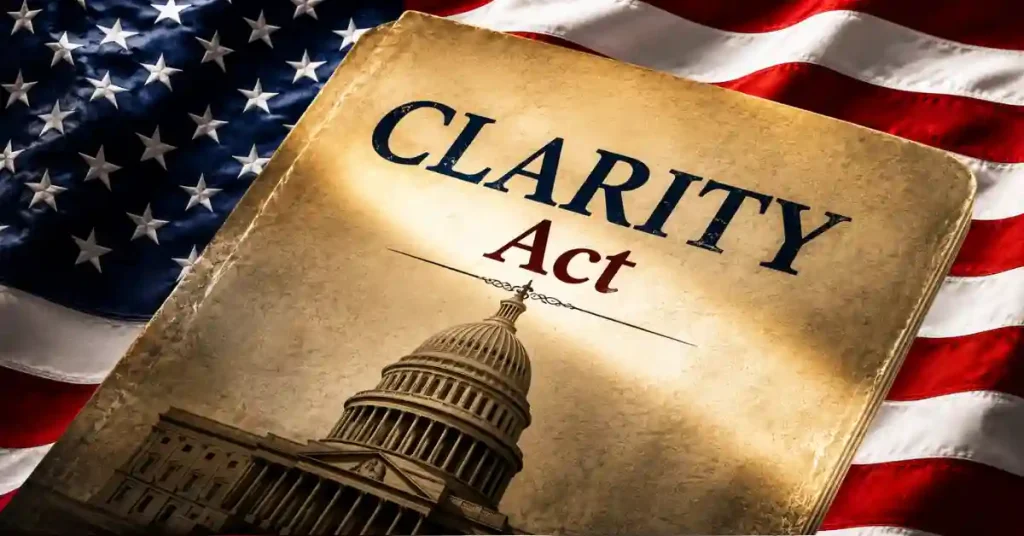
The U.S. financial ecosystem is on the brink of significant change as new cryptocurrency regulations take center stage. The CLARITY Act, a proposed bill, lies at the heart of this ongoing battle between traditional banking institutions and cryptocurrency companies over the influence and structure of a burgeoning digital dollar environment. The Biden administration is actively working to delineate regulatory paths amidst continued disagreements, particularly concerning stablecoin rewards and yields.
Can Consensus Be Reached on Stablecoin Yield Regulation?
Expectations were high following a pivotal White House meeting in February that brought together leading banking figures to discuss advancements on the CLARITY bill. Yet, tangible outcomes remain stalled. Central to the stalemate is the dispute over how stablecoin yields should be legally defined and what implications they hold. Banks are concerned that such yields might undercut the traditional deposit framework, whereas cryptocurrency advocates view them as beneficial innovations for consumers.
How Is Public Opinion Shaping the Legislative Process?
Public debate increasingly frames the CLARITY Act as a battle between financial institutions and individual savers. This dynamic adds pressure on legislators, who must consider the public’s favorable view of stablecoin returns versus conventional bank returns. Article 404 in the draft legislation seeks to clarify the legal status of these yields, drawing careful scrutiny from both financial watchdogs and consumer groups.
Senate Banking Committee Chair Tim Scott has underscored the crucial intersection between digital assets and the broader economy, highlighting their potential for growth. Despite this focus, the legislative text remains static, reflecting a deliberate, ongoing effort to keep digital currencies on the legislative docket.
Parallel legislative efforts are in motion, with staffers from the Senate Agriculture Committee striving to align regulatory definitions across initiatives. This shows an intent to seamlessly weave digital asset clauses into overarching financial legislation to account for sector expansion.

What Role Is the White House Playing in Steering the Bill?
The White House is playing a pivotal role, actively participating in negotiations to push the CLARITY Act forward within national policy discussions. Their strategy involves finding a middle ground for maintaining financial equilibrium while ensuring competitiveness. However, no formal legislative draft or finalized schedule has been released.
Stakeholders clamor for explicit, well-defined regulations to safeguard both deposit stability and introduce necessary scrutiny to emerging financial tools. The digital dollar stands at a critical intersection, promising to reshape financial landscapes, an opportunity examined with careful precision by legislators.
The eventual trajectory for the CLARITY Act is shrouded in uncertainty as intense negotiations continue. There’s no concluded consensus, nor have policymakers provided the much-needed clarity for the sector. The scheduling of formal discussions is poised to be a vital juncture that could determine the fate of this crucial proposal.
“The legislative focus on digital assets underscores their potential impact on future economic growth,” noted Senate Banking Committee Chair Tim Scott, reaffirming political commitment to the issue.
Disclaimer: The information contained in this article does not constitute investment advice. Investors should be aware that cryptocurrencies carry high volatility and therefore risk, and should conduct their own research.











![KOSPI Index Crash, South Korea Stock Market Bloodbath [LIVE] – 8th June](https://image.coinpedia.org/wp-content/uploads/2026/03/03183804/Korean-Stock-Market-Crash-KOSPI-Plunges-7-Amid-U.S.%E2%80%93Israel-Iran-War-1-1024x536.webp)




 English (US)