
 3 months ago
10578
3 months ago
10578

Tesla is closing in on its second straight yearly drop in sales, even as its stock keeps climbing. That jump has nothing to do with more cars on the road.
It’s all about Elon Musk’s push for robotaxis, AI, and the fantasy of fully autonomous rides. Meanwhile, actual people buying actual cars aren’t buying what Tesla is selling.
In the second half of last year, Tesla stock went on a wild run. Not because of sales. Not because of anything customers did. It was all hype. And when the company reports fourth-quarter numbers this week, the numbers are expected to land at 440,900 deliveries, down 11% from last year.
Even worse, Tesla itself released a forecast showing an expected 15% drop.
Elon’s Trump drama and robotaxi pivot flipped the year
Tesla sales were already kind of bad in Q3 2024, as Elon was busy upgrading Model Y production lines at every factory, which stalled output.
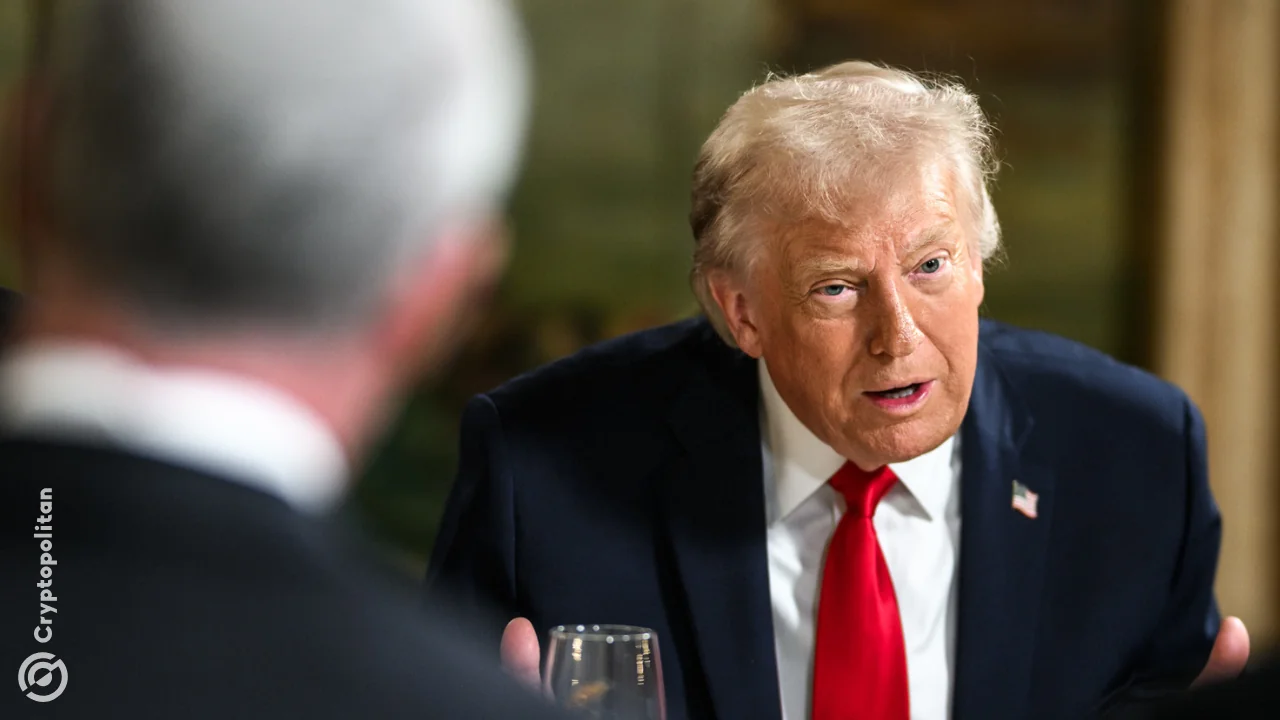
Then the man decided to go full politics, backing President Donald Trump and then publicly breaking up with him in a manner generally regarded as embarrassing. Retail investors were pretty mad at him.
Elon was trading insults with administration officials over tariffs, and Tesla’s stock was down 45% for the year.
Then boom, Elon swerved and brought out the robotaxi storyline again, the dream where Tesla cars drive themselves and earn money for owners. In June, the company launched an invite-only service in Austin, apparently put safety drivers in the cars, but that didn’t stop them from breaking traffic rules right out the gate
By September, Tesla’s board had a plan to reward Elon with up to $1 trillion in compensation if he delivers millions of robotaxis. By December 16, the stock hit a new high. The company had added over $915 billion in value in eight months.
There’s still a big problem. Customers don’t believe the robotaxi hype. Elon admitted that convincing people to pay for Tesla’s “Full Self-Driving” feature has been tough. The system still needs a driver watching everything. In California, the state might suspend the company’s license for 30 days over claims that Tesla lied about what FSD can actually do.
It’s not going better in China. Tesla tried to stand out there by offering driver-assist features. But BYD and Xiaomi already give those away as standard. That strategy’s dead.
Analysts expect BYD to outsell Tesla in global battery-electric vehicles for the fifth straight quarter, thanks to strong sales in China and Europe. In Europe, Tesla still hasn’t gotten approval for FSD.
Federal tax cuts end while Tesla competitors bail on EV dreams
Looking ahead to 2026, there’s more trouble. The U.S. has pulled the plug on EV tax credits. Elon already said it could lead to “a few rough quarters.” The loss of government support is pushing other automakers to back away from EV projects. Ford said it expects to take a $19.5 billion hit from canceling battery and EV plans.
Elon closed the year hyping another ride, the Cybercab. It’s a tiny two-seater with butterfly doors. The first version didn’t even have a steering wheel. But board chair Robyn Denholm told Bloomberg the company would add one if regulators demand it.
Garrett Nelson from CFRA summed it up like this: “Tesla investors are focused on how the company might look five, 10, 15 years down the road, and really discounting what they see in the near term. The question is, can they maintain that, especially when we think headwinds are going to become more apparent in the financials?”
Want your project in front of crypto’s top minds? Feature it in our next industry report, where data meets impact.






 English (US)