
 3 months ago
12682
3 months ago
12682

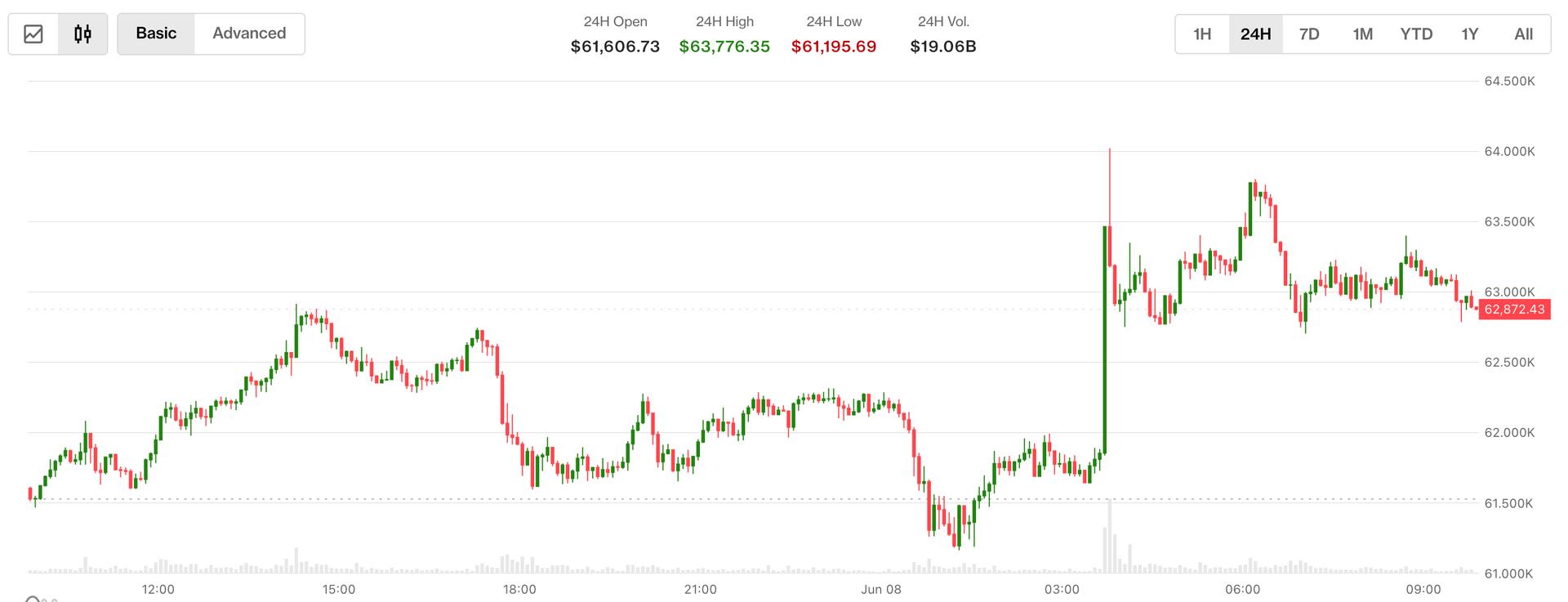
Bitcoin‘s recent drop to $68,490 from its previous high of $74,000 is causing unease among traders as we move towards the weekend. Concurrently, Ethereum’s prospects are under scrutiny following a critical report by Culper Research, and financial powerhouse BlackRock has restricted withdrawals from one of its major credit funds. These developments raise significant queries about the current state of cryptocurrency markets and their intersection with the wider financial world.
What Concerns Did Culper Research Raise?
Culper Research recently released a report that casts doubts on Ethereum’s future. They argue that the Fusaka upgrade, which increased block space and reduced fees by 90%, could negatively impact Ethereum’s staking economy. Despite higher network efficiency, the decrease in transaction fees could lead to lower rewards for those staking.
This situation presents a complexity: while network capacity has grown, the total revenues from fees have shrunk. Without a substantial real-world asset activity or another factor to drive demand, Culper Research believes this could adversely affect Ethereum’s price trends and network growth.
The report also highlights a rise in transaction volumes and active addresses on Ethereum, urging caution. Culper Research suggests that these figures might not represent genuine adoption but instead reflect artificial activities such as spam operations. The growing influence of BitMine on ETH staking could exacerbate these concerns, especially if reduced staking yields trigger a downward spiral within the staking model.
Why Has BlackRock Limited Withdrawals?
On another front, BlackRock faces a severe test in the realm of private credit. With major firms like BlackRock, Blackstone, and Blue Owl receiving large redemption requests, BlackRock has responded by limiting withdrawals from its substantial HPS Corporate Credit Fund, setting off alarms in the financial sector.

A considerable portion of these funds has been loaned to tech firms, sparking investor fears that these loans may become less valuable as artificial intelligence progresses. BlackRock’s recent decision to devalue a loan to Infinite Commercial Holdings to zero adds to the growing apprehension regarding the quality of these investments.
These concentrated redemption demands pose significant challenges, as long-term loans offered by these funds can be withdrawn quarterly. Meeting these sudden large-scale withdrawals is complex, given the funds’ long-term lending nature.
In these challenging times, multiple disruptive forces are lining up. As cited, “Bitcoin continues to trade down nearly 5% on the day, posting its second-largest correction since the pandemic,” illustrating the volatility enveloping the market right now.
- Gasoline prices are up over 20% since December 2025.
- The U.S. Producer Price Index has reached its highest inflation rate since July 2025.
- 10-year Treasury bond yields rose by 20 basis points this week.
- Investment in AI by the ‘Magnificent 7’ firms is projected to exceed $600 billion in 2026.
Current market dynamics suggest a challenging period for investors and stakeholders, requiring close attention and strategic adjustments as the crypto and financial landscapes evolve rapidly.
Disclaimer: The information contained in this article does not constitute investment advice. Investors should be aware that cryptocurrencies carry high volatility and therefore risk, and should conduct their own research.








![KOSPI Index Crash, South Korea Stock Market Bloodbath [LIVE] – 8th June](https://image.coinpedia.org/wp-content/uploads/2026/03/03183804/Korean-Stock-Market-Crash-KOSPI-Plunges-7-Amid-U.S.%E2%80%93Israel-Iran-War-1-1024x536.webp)







 English (US)