
 2 hours ago
884
2 hours ago
884

The XRPL community is currently engrossed in a debate regarding the balance between stablecoins and XRP. As the XRPL network extends its influence in areas such as decentralized finance, tokenization, and international payments, the community is examining XRP’s shifting function in these applications.
How do stablecoins shape payment landscapes?
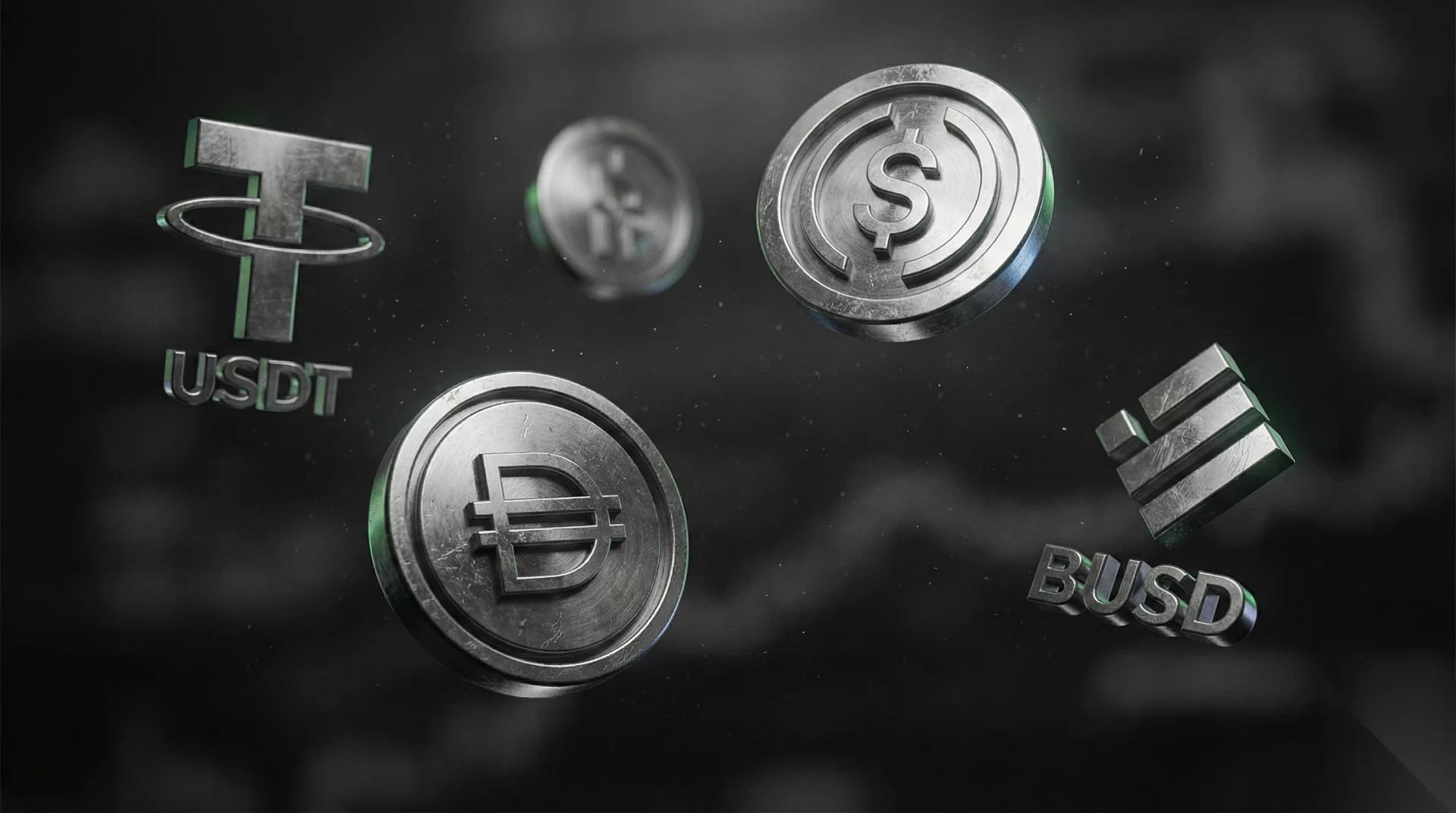
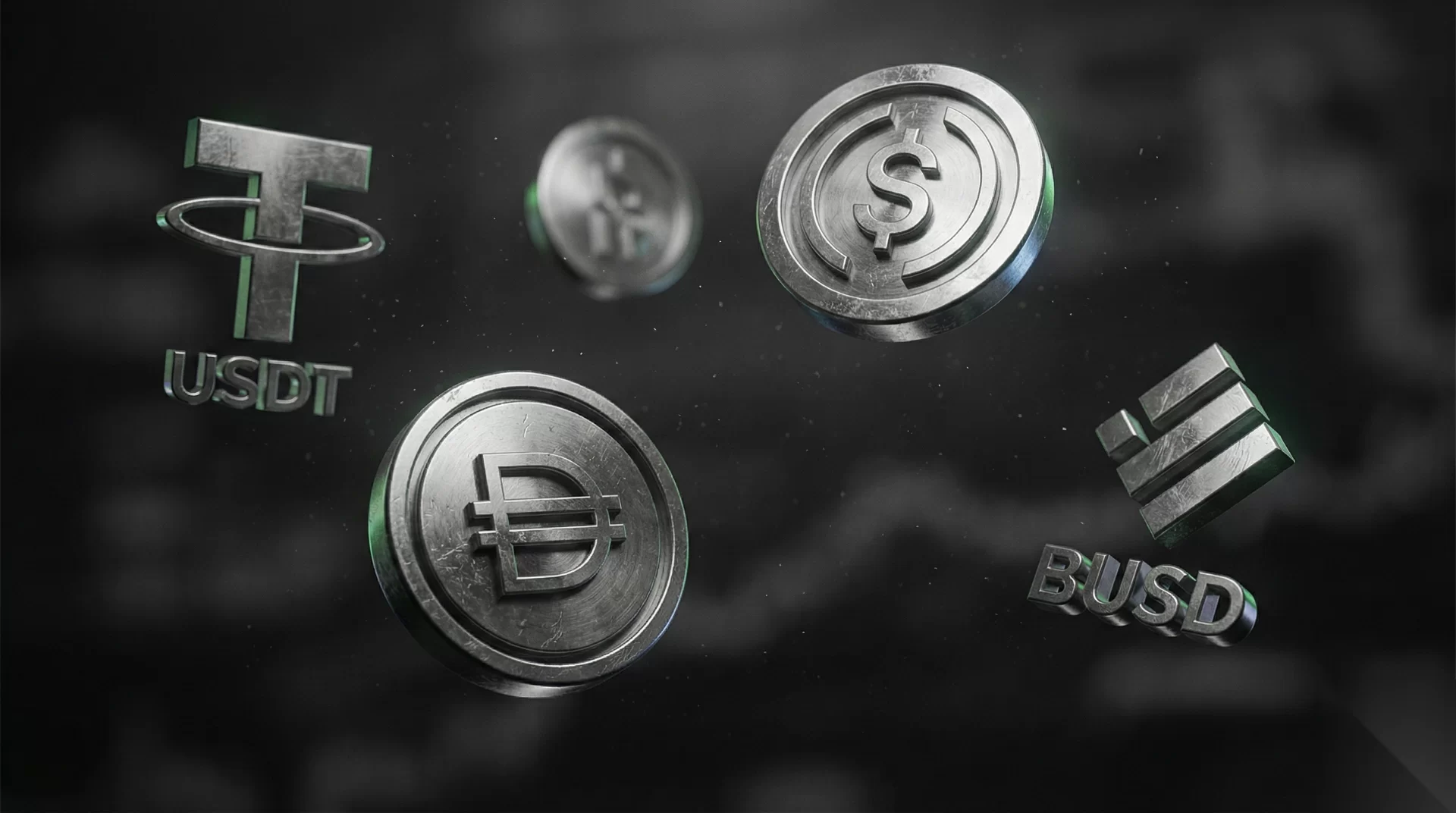
The discussion erupted when Eri, an XRPL researcher, pointed out that Ripple‘s On-Demand Liquidity increasingly relies on stablecoins like Tether (USDT) and USD Coin (USDC). Eri notes that while stablecoins become more integral to payment architectures, ensuring strong XRP liquidity remains crucial.
Eri contends that XRP’s significance extends beyond mere transaction facilitation. It can act as collateral within financial frameworks, indicating its expansive potential in decentralized finance models residing on XRPL.
“Liquidity on XRPL continues to play a critical role,” explained Eri. “Beyond its payment function, XRP stands as an asset that can be used as collateral in financial applications.”
Is cooperation the key for XRP and stablecoins?
XRPL Foundation contributor Vet offers a perspective that XRP and stablecoins should be viewed as complementary, not as adversaries. In Vet’s view, a system primarily reliant on stablecoins closely mirrors traditional banking transactions, optimizing payment processes.
Vet emphasizes the critical need for robust assets and stablecoin liquidity to ensure efficient payment systems. As more assets affiliate with XRPL, the continued necessity for a universal bridge asset like XRP becomes evident.
Unique Node Lists (dUNL) on XRPL, designating trusted validators essential for transaction consensus, play their part in managing these liquidity frameworks.

The role of bridge assets in liquidity management?
Vet highlights the repercussions of lacking a universal bridge asset, proposing XRP as an optimal bridge to maintain liquidity coherence across trading pairs. Neutrality, beyond issuer dependency, is crucial in deciding the predominant settlement asset, sparking ongoing deliberations.
Ripple’s aggressive expansion into stablecoin use, introducing RLUSD across 40 blockchain platforms, marks a strategic push. This initiative expands payment options, adds institutional liquidity, and embraces tokenized assets.
- Ripple is expanding its stablecoin reach, deploying RLUSD to numerous blockchain networks.
- XRPL increasingly incorporates tokenization and decentralized finance innovations.
- Recent feature proposals aim to enhance trading efficiency in the ecosystem.
With XRPL’s notable developments, the debate over XRP and stablecoins’ roles persists. The evolving narrative indicates that XRPL participants are beginning to see these elements not as replacements but as complementary in the ledger’s growing financial environment.












 English (US)