
 2 hours ago
816
2 hours ago
816

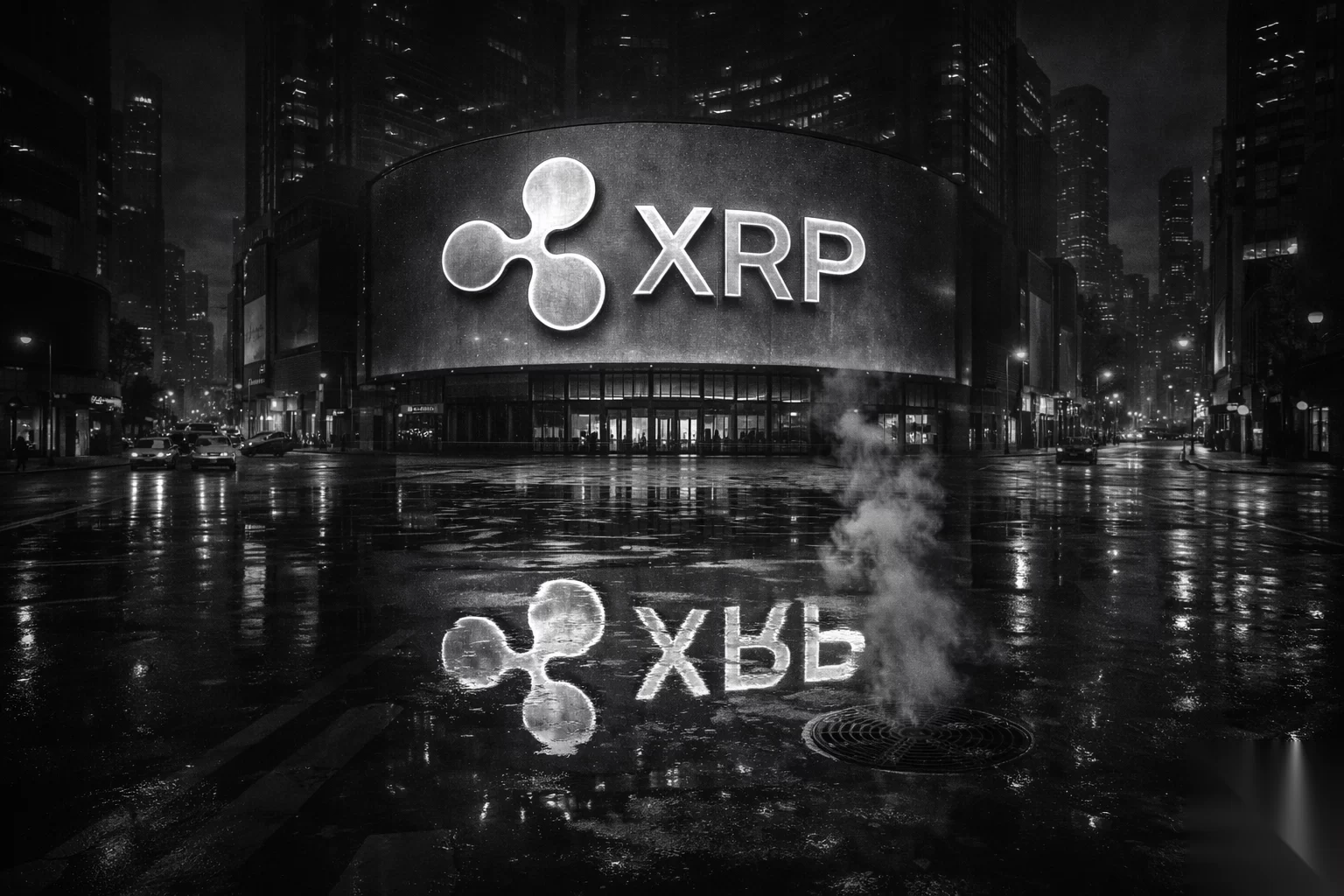
The XRP Ledger blockchain, the infrastructure supporting XRP transactions, has introduced a significant software update with a key rebranding initiative. The heart of this overhaul involves renaming the core program from “ripple daemon” to “xrpl daemon.” This change, as explained by the XRPL Foundation, is crafted to demarcate the independent XRP Ledger network distinctly from Ripple, the commercial entity often linked with it.
Why was the name changed?
The update addresses longstanding confusion among users who struggle to differentiate between XRP, its underlying open-source Ledger, and Ripple’s business ventures. By eradicating references to Ripple from documentation and coding, the foundation aims to establish a clearer boundary between the decentralized network and its corporate associations.
Alongside the name change, the update provides an additional foothold in legal and regulatory discussions concerning decentralization. The removal of corporate branding from the codebase could serve to underscore the XRP Ledger as an autonomous, public infrastructure in scenarios like legal examinations by bodies such as the U.S. Securities and Exchange Commission.
The XRPL Foundation aims to dissolve the lingering ambiguity between the network and Ripple, facilitating a broader understanding of their separate roles.
What performance enhancements were made?
Beyond branding adjustments, performance gains are a significant outcome of the software update. Memory usage by the system has reportedly dropped by approximately 30 to 40 percent, which signals enhanced speed and resource efficiency in future operations.
The simplification of network code may also serve as an incentive for external developers. With a more distinct separation from Ripple, third-party developers could be more encouraged to engage and innovate within the XRP Ledger ecosystem.

The rollout of these updates corresponds with a noteworthy upswing in XRP’s market performance. Just in the last day, XRP’s price surged by 13 percent, reaching $1.28, marking a bounce back to prior levels. Observers attribute this rally, in part, to renewed hopes for easing geopolitical tensions in the Middle East, thereby influencing investor sentiment toward riskier assets, like cryptocurrencies.
– Significant growth in major investors’ holdings: Wallets with more than 1 million XRP now hold 74.1% of the supply.
– In recent months, an additional 1.53 billion XRP has been accumulated by large holders.
This positive shift in market dynamics is not limited to technical refinements or price recovery alone. Ripple’s extended strategic ventures, such as expanding international payment solutions and engaging in asset tokenization, also contribute to optimistic market sentiments around XRP. Nonetheless, the strategic distinction between the XRP Ledger and Ripple itself, although important, seems not to be the sole driver of the current market trends.
Disclaimer: The information contained in this article does not constitute investment advice. Investors should be aware that cryptocurrencies carry high volatility and therefore risk, and should conduct their own research.












 English (US)