
 2 hours ago
343
2 hours ago
343

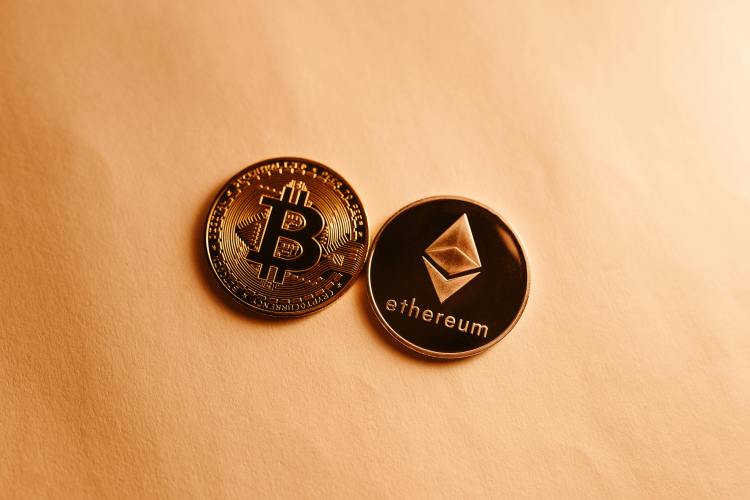
On January 20, 2026, the market had a violent shakeout that cost over $1.08 billion and resulted in the loss of positions for over 182,000 cryptocurrency traders. As Bitcoin and Ethereum traders saw their trades immediately deleted, nearly all of the loss fell on those who wagered on price increases.
Digital currencies show technical warning indicators as the world’s economic issues continue to deteriorate. Traders are now under even greater pressure.
Exchanges force out thousands of traders due to margin calls cascade
CoinGlass data show that 2,729 traders were liquidated in the 24 hours to January 20, with total losses reaching $1.08 billion. Long traders took almost all the damage, losing $1.08 billion, while shorts lost just $79.67 million.
Bitcoin topped the wipeout, with long liquidations totaling $427.06 million, followed by Ethereum at $374.47 million. The single largest hit was a $13.52 million BTCUSDT_UMCBL stake on Bitget. Major platforms were also badly impacted: Hyperliquid had $132.39 million in extended closures, Bybit $91.35 million, and Binance $64.08 million in just four hours.
Leverage worsened the losses. When prices move in the wrong direction, exchanges force-sell positions, lowering prices and causing a chain reaction of liquidations.
Machi Big Brother was liquidated five times in one day, losing $24.18 million. He still holds 2,200 ETH worth $6.67 million, but those holdings are at risk if Ethereum falls to $2,991.43.
Warning signs were already present. Most altcoins now trade with a daily RSI below 50, a level that usually signals continued selling pressure.
The ratio comparing liquidations to open interest stayed high throughout the market over the past day. This measurement tracks what portion of active positions get closed by exchanges. It jumps during times of stress and forced selling.
These waves of forced closures have emptied trader accounts. It’s now harder for people to buy back in at lower prices. This creates a dangerous cycle where fewer buyers remain when the market needs them most to stop falling prices.
Global money flows tighten as Japan shifts rates
Problems outside crypto are making things worse. Japan’s bond market saw a major change on January 20. The 30-year Japanese Government Bond yield jumped 25 basis points to 3.86%. The 10-year yield went up 8 basis points to 2.34%. Both numbers broke modern records for Japanese government debt.
This change matters because low Japanese yields have supported worldwide cash flow for many years. They drove the carry trade, which involves borrowing yen at a low cost to purchase assets with higher returns, such as cryptocurrency.
With rising Japanese yields, maintaining these bets has become much more costly. As money returns to Japan, riskier bets, such as bitcoin, are being abandoned. The Bank of Japan must make difficult decisions: tightening policy might agitate markets or undermine confidence, while attempting to limit yields could harm the yen. In any case, the flow of easy money around the globe has decreased.
There is however one more concern: the World Economic Forum meeting in Davos. The policy talks there could lead to stricter rules.
Technical signals are weakening, global liquidity is tightening, and trading capital is thinning. Volatility may increase in the short term as markets digest higher Japanese yields.
When traders use borrowed funds, they remain at risk. In order to safeguard themselves, exchanges instantly cancel their positions when things go wrong, frequently taking every dollar that traders put up. The cryptocurrency community refers to this as being “rekt,” which is their term for being totally wiped out.
When liquidation figures and stress measures are high, effective risk control is crucial. However, buying may continue to be poor because conditions appear dire and trading funds are running low. Prices may continue to decline until either lower levels generate new revenue or global trends improve.
As global financial conditions change, the next few days will reveal if the cryptocurrency markets can handle this disaster or if fresh waves of liquidation are imminent.
Join a premium crypto trading community free for 30 days - normally $100/mo.










 English (US)