
 2 months ago
5872
2 months ago
5872
.png)
Recent developments in the cryptocurrency markets reveal a noticeable reduction in Bitcoin assets being transferred to Binance by larger holders. This trend contrasts sharply with activity noted in mid-June and highlights a changing landscape in asset transfers within the market.
Are Whale Transfers Slowing Down?
Indeed, whale transfers are on a notable decline. Data from CryptoQuant, an analytics service specializing in blockchain metrics and exchange flows, shows a 34% drop in large Bitcoin holder transfers to Binance. In figures, this decreased from $7.04 billion in mid-June to $4.65 billion by early July.
What Drives the Distinction Between Whale and Retail Behavior?
The recent shift in behavior among these investor categories shows a widening divide. While retail participants also decreased their inflows, the reduction was less significant at 18%, as they are transferring fewer Bitcoins but at a less pronounced rate than the whales.
The table of exchange activities indicates a discernible reduction in both whale and retail inflows, yet the scale and pace of these reductions vary. Large holders seem to be reassessing their strategies during this period, with a more substantial decrease in their transaction volumes.
The decrease in the rate of Bitcoin transfers to Binance by large wallets points to a sharper pullback among whales compared with smaller investors.
Such activity is being watched closely for signs of trading intentions. Typically, a decline in transfers to exchanges by major holders suggests a reduced readiness to sell, while ongoing retail activity denotes a sustained interest in engaging with the trading platform.
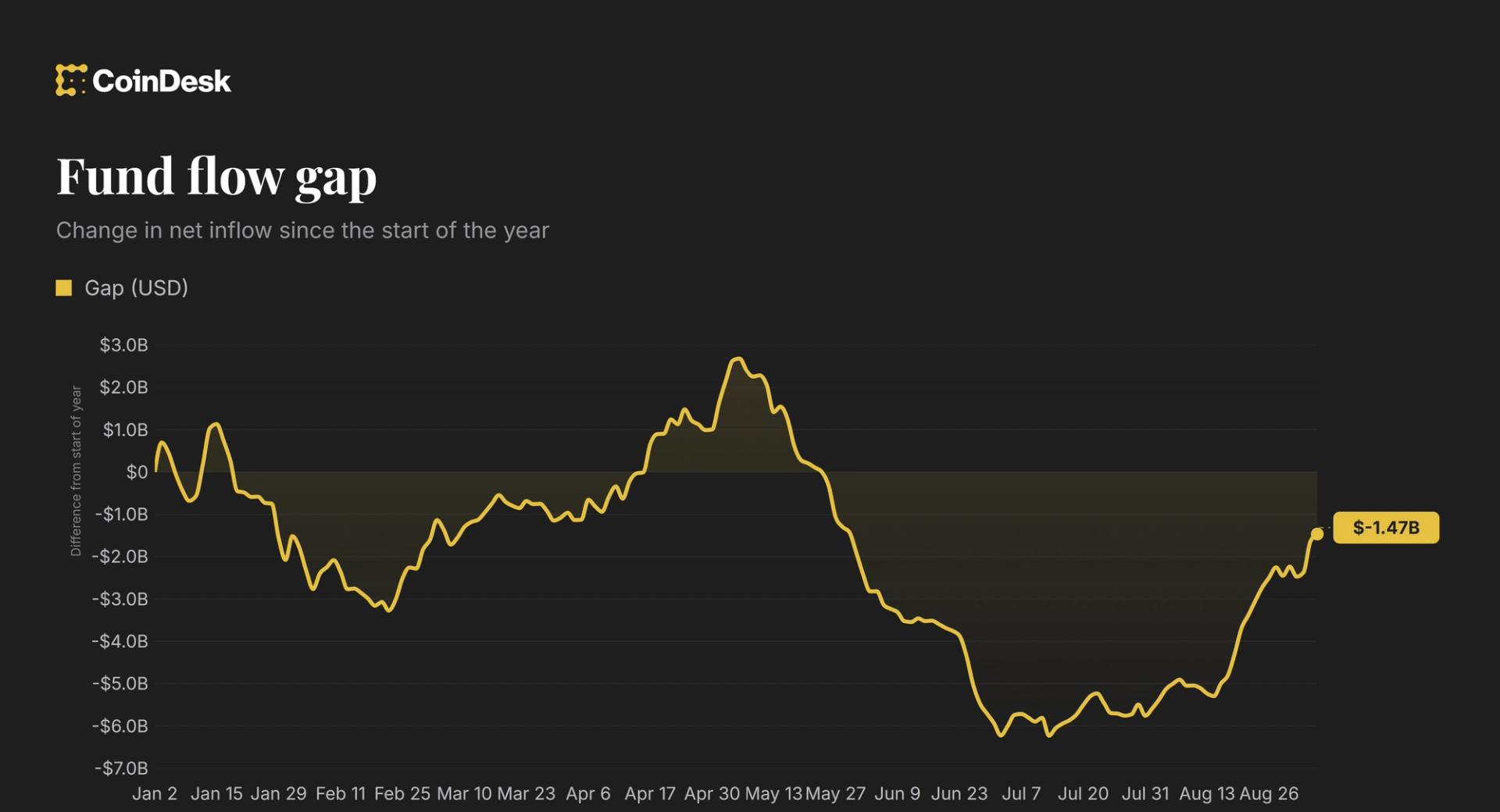
- The 30-day moving sum of whale inflows shows a $2.39 billion decrease.
- Retail inflows fell by $1.82 billion over the reviewed period.
- The gap between these investor groups increased by over $500 million.
This deceleration in Bitcoin transfers to Binance indicates that while individual investors maintain a significant presence, larger holders appear more circumspect. Current trends suggest either a deliberate holding strategy for the long term or simply a temporary pause, waiting for future market cues.









 English (US)