
 2 hours ago
884
2 hours ago
884

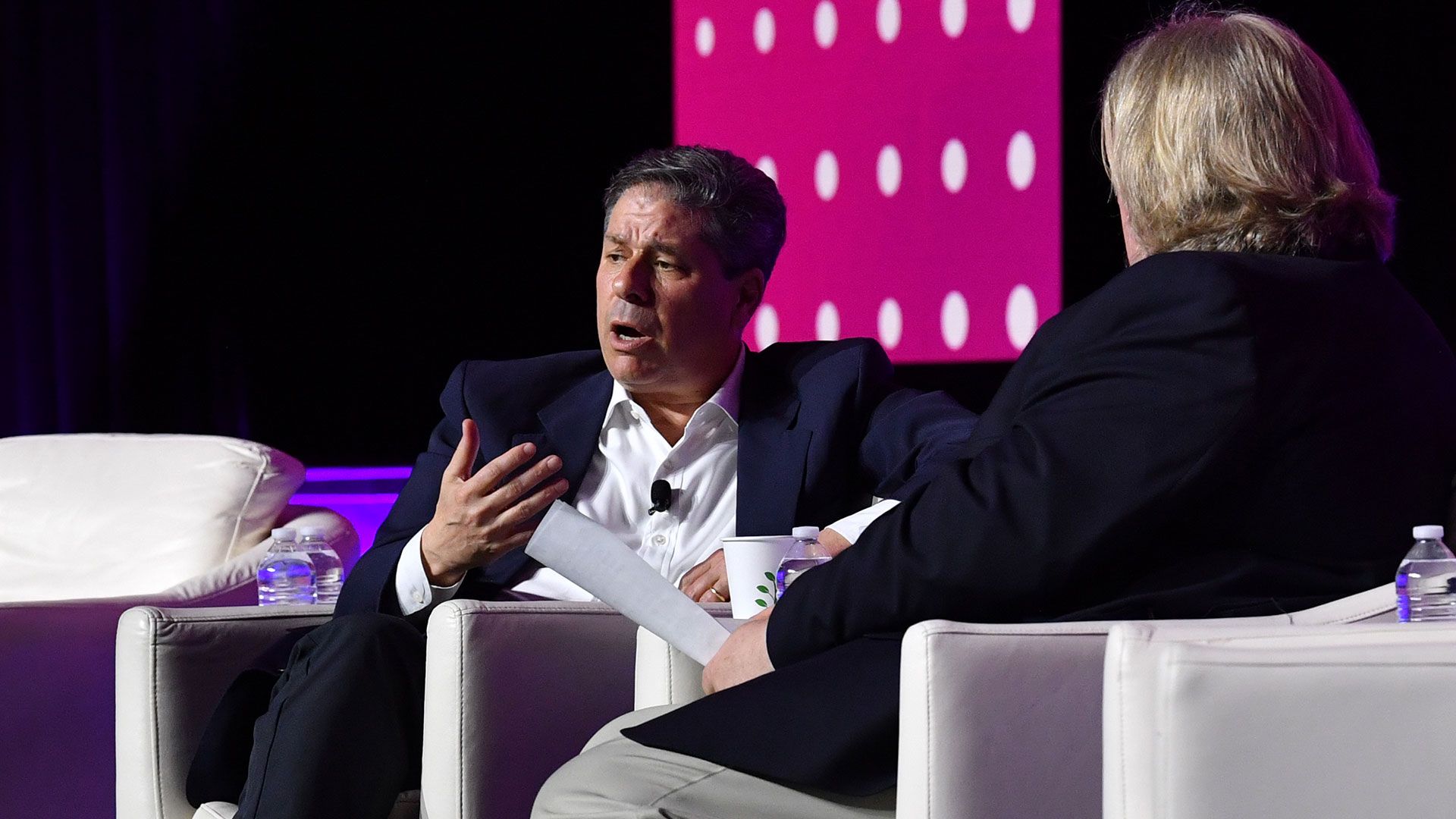
Sergey Nazarov, co-founder of blockchain oracle network Chainlink, says the current cryptocurrency bear market is proving the sector’s ability to handle volatility rather than exposing new systemic weaknesses. Based on his argument, no major structural failures such as FTX have occurred, and the expansion of tokenized real-world assets (RWAs) continues at a robust pace.
Nazarov’s comments, shared publicly on social media and in industry press interviews, framed the latest market correction not as a failure, but as evidence that the crypto ecosystem has matured beyond the shocks that defined earlier cycles.
In an X post dated Tuesday, February 10, Nazarov elaborated that although market cycles are inevitable, they serve as crucial indicators of an industry’s evolution and trajectory.
Reports note a 44% decline in the crypto market’s total value from an October peak of $4.4 trillion, with the market losing nearly $2 trillion in just 4 months. Despite this downward trend, Nazarov appeared calm. He highlighted two main reasons that distinguish this bear market from earlier ones.
Nazarov differentiates the current bear crypto market from the previous ones
Regarding his reasons for why the recent bear market is different from earlier ones, Nazarov began by noting that this time around, there have been no major collapses like those in previous declines that led to massive institutional failures, such as FTX, or issues related to crypto lending in 2022. This finding implied that the crypto industry has strengthened its capacity to navigate market turbulence.fccccch
“There have been no large risk management failures leading to big institutional failures or widespread systemic risks,” he said.
The second reason was that the founder of Chainlink observed the continuous expansion of RWA tokenization and on-chain perpetual contracts for traditional commodities despite crypto price volatility.
This discovery demonstrates that the innovation offers tangible value, rather than mere speculation. To support this claim, data from RWA.xyz, a leading data and analytics platform, shows that the value of tokenized RWAs on-chain has increased significantly, rising 300% over the last year.
In an attempt to explain this scenario, Nazarov argued that having real-world assets on-chain does not mirror crypto volatility; rather, it possesses a unique value proposition that can appreciate independently of Bitcoin or broader crypto market trends.
Nonetheless, this surge has not been reflected in Chainlink’s price, which has retreated 83% from its 2021 all-time high and 67% from its October peak. Currently, it is trading at a bear-market low below $9.
Meanwhile, in addition to the above arguments, Nazarov also highlighted key trends shaping the future of cryptocurrency. According to him, on-chain perpetual contracts and tokenization offer certain benefits, such as 24/7 markets, on-chain collateral, and the ever-increasing volume of instantaneous data.
Afterwards, he anticipated that this crucial utility would be the catalyst for institutional adoption, driving the need for further infrastructure development, as complex real-world assets require more robust and sophisticated on-chain systems.
Several individuals have raised concerns about the recent declines in the crypto market
While Nazarov maintains composure during the downturn, several investors have raised concerns about the recent market declines, igniting tension in the crypto industry.
Due to this situation, Gautam Chhugani, a Senior Analyst at Bernstein specializing in global digital assets, shared a note published on Monday this week stressing that, “we are currently witnessing the weakest Bitcoin bear case in its history.” He further warned that, “If these trends keep going, I think what I have been saying for years will come true; on-chain RWAs will exceed cryptocurrency in total value within our industry, fundamentally changing what our industry is about.”
On the other hand, Jeff Mei, chief operating officer at the BTSE exchange, argued that this unique sell-off is primarily driven by external, non-crypto factors.
These factors include heightened concerns that stalling AI infrastructure investment will drag down the stock market, as well as concerns about Kevin Warsh assuming the role of Chair of the Federal Reserve of the United States. Several individuals anticipate that Warsh will reduce liquidity in the financial system.
Get seen where it counts. Advertise in Cryptopolitan Research and reach crypto’s sharpest investors and builders.







 English (US)