
 2 hours ago
79
2 hours ago
79

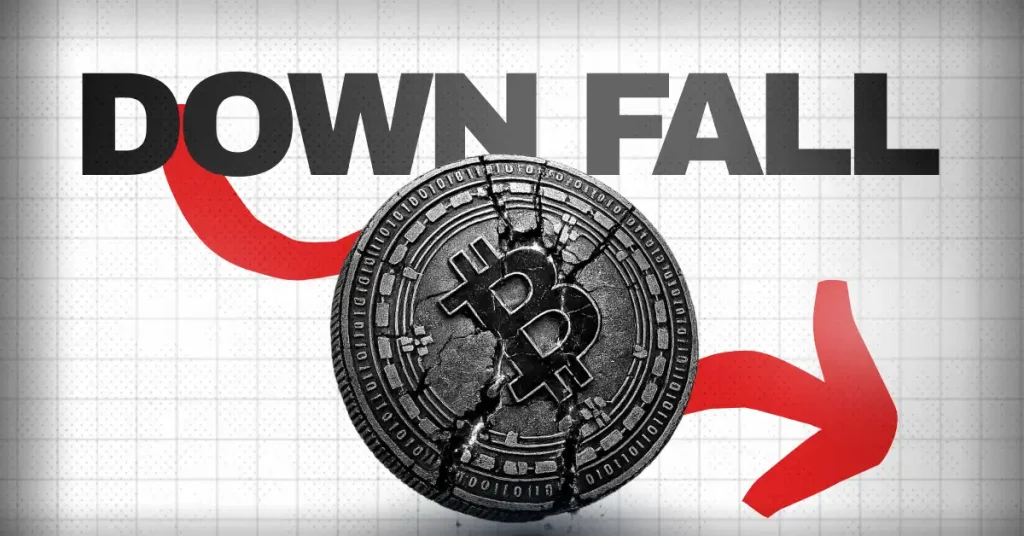
The cryptocurrency sector is currently facing a significant downturn, with Bitcoin‘s value dropping sharply. The price fell over three percent, reaching a low of $65,200 on February 27. This decline is largely influenced by worldwide anxieties, including remarks by U.S. President Donald Trump regarding a “friendly takeover” of Cuba and increased U.S. military movements in Israel. Such events have significantly contributed to the volatility observed across financial markets.
Trump’s recent return to office has seen a heightening of economic pressure on Cuba, amid ongoing energy problems in the country. By declaring a national emergency, the U.S. has imposed additional sanctions on nations providing oil to Cuba, leading to critical fuel shortages and power outages across the island. Current conversations between U.S. and Cuban officials focus on potential political shifts rather than outright military measures.
How Are Tensions in Cuba and the U.S. Evolving?
Recent events took a turn when a U.S.-registered vessel was intercepted by Cuban authorities, escalating tensions between the nations. While four people were killed in this incident, Cuban sources claim the individuals were attempting illegal entry, a claim the U.S. denies. Investigations into this maritime situation continue, maintaining a strained atmosphere.
Despite restrictions, the U.S. has briefly authorized limited fuel supplies to Cuba through humanitarian avenues, although the broader policy stance toward Havana remains unchanged. “Our goal is to encourage political reform peacefully,” insiders clarify Trump’s “friendly takeover” comment, reinforcing that military involvement is off the table.
Military Reinforcements in Israel Ignite Concerns
In the Middle East, Washington has intensified its military support to Israel, citing rising tensions with Iran. Advanced fighter jets and additional troops have been positioned to strengthen Israeli defenses, with non-essential diplomatic personnel advised to evacuate voluntarily.

While officials describe these deployments as preventive, they have contributed to a cautious approach within financial markets. With simultaneous crises in different regions, market participants are encountering growing uncertainties that impact investment decisions globally.
Bitcoin’s recent attempt to breach the $70,000 mark was thwarted by an abrupt downturn influenced by global unpredictability. Investors are veering away from risk-heavy assets, a scenario reflected in Bitcoin’s significant drop. Typically, global distress leads to initial sell-offs in digital currencies due to liquidity constraints. Following this phase, if instability continues, Bitcoin might attract investors seeking safety.
In light of the heightened geopolitical stress, crucial insights emerge:
- Bitcoin’s volatility is intertwined with international political climate.
- Marked sell-offs occurred as investors sought more secure assets.
- U.S. policies in Cuba and Israel are significant market influencers.
- Market instability could pivot interest back to cryptocurrencies if geopolitical uncertainties prolong.
The present geopolitical scenario has crucial repercussions for Bitcoin and other cryptocurrencies, calling for cautious observation and agile responses in this evolving landscape. Nonetheless, the potential for Bitcoin to be perceived as a stable asset remains, contingent on ongoing geopolitical developments.
Disclaimer: The information contained in this article does not constitute investment advice. Investors should be aware that cryptocurrencies carry high volatility and therefore risk, and should conduct their own research.









 English (US)