
 1 hour ago
606
1 hour ago
606

Hyundai is going straight at China’s auto giants in Europe. The company just said it’s getting ready to roll out five new electric and hybrid vehicles over the next 18 months, and it’s not teaming up with anyone. This is Hyundai’s way of saying it doesn’t need help from rivals to meet Europe’s emissions rules.
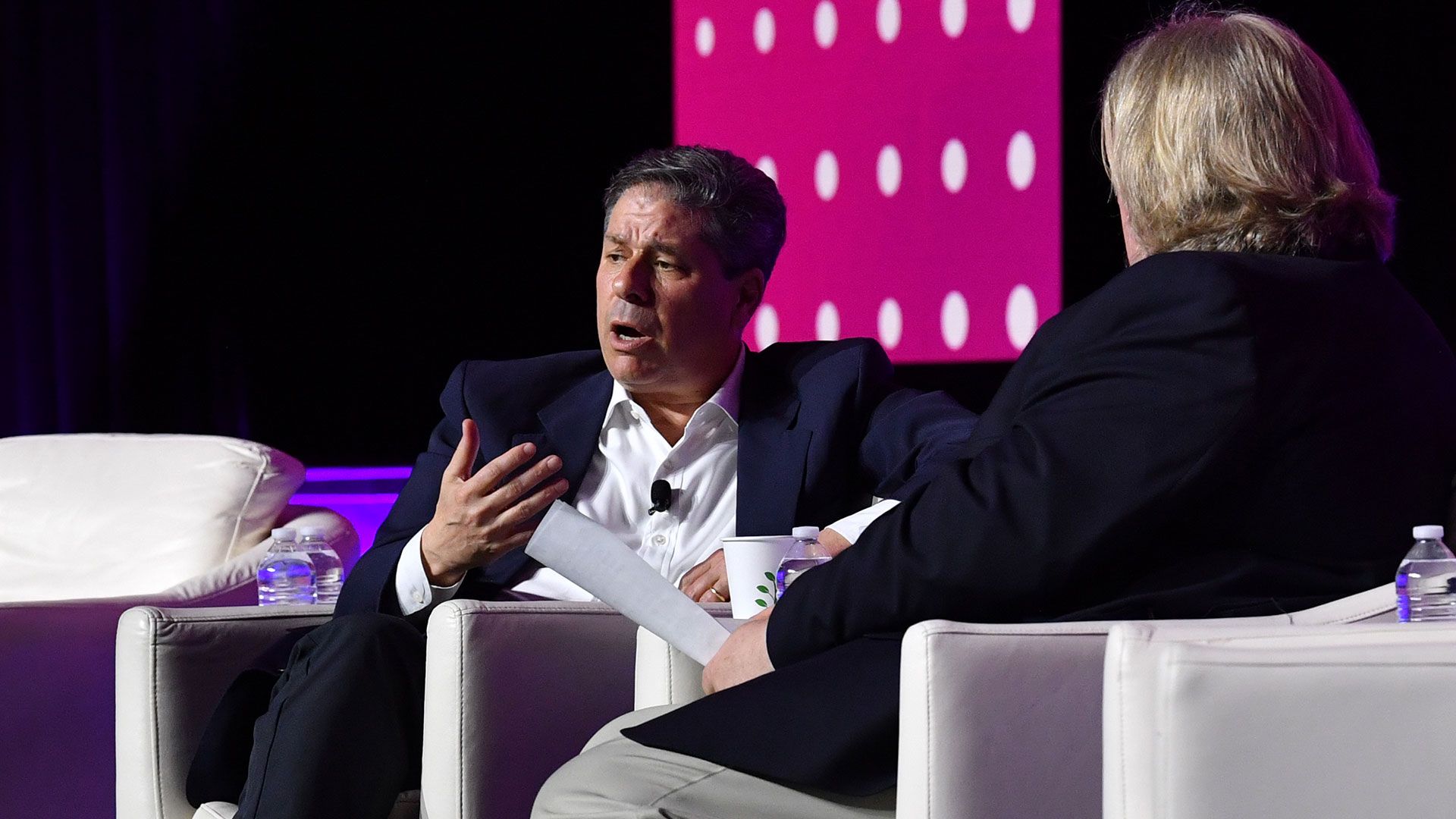
The plan is to electrify every Hyundai model by next year. That’s what Xavier Martinet, the company’s European head, said during an interview in Frankfurt. He made it very clear:
“We don’t plan on pooling with anyone. Why would you pay a competitor to reach your objective? You’re not only spending money, but you’re enriching somebody else.”
Hyundai is keeping its emissions strategy in-house and doesn’t want to rely on deals with others just to hit its targets.
Hyundai refuses credit pooling while other carmakers strike deals
Under current EU rules, carmakers must cut emissions or face huge fines. They can sell more electric cars or buy carbon credits from companies that already meet the limits. Most companies are choosing the second option. Not Hyundai.
Nissan is buying credits from BYD, which is one of the fastest-growing Chinese car brands in Europe. Mazda is joining forces with Changan Mazda, a joint venture it runs with a state-owned Chinese firm. Tesla is pooling credits with Stellantis, Toyota, Honda, Ford, and Leapmotor, which is based in China. Mercedes-Benz is working with Polestar and Volvo Cars, both owned by Geely, another Chinese group.
Meanwhile, Hyundai is doing none of that. No credit buying. No pooling. Nothing. The company is trying to stay at the top by itself. Hyundai, along with its sister company Kia, already holds 8 percent of the EU and UK car market.
That’s the biggest share for any non-European brand. The plan to keep that spot starts in April, when Hyundai will launch the Ioniq 3, a fully electric hatchback that will go up against Volkswagen’s ID.3, which starts at just under €30,000.
Hyundai shifts strategy as EV sales grow slower than expected
Even though EV sales went up 48 percent last year, Martinet said the transition to electric is still slower than expected. Hyundai now plans to offer every model with either an electric or hybrid version by 2027, not full EVs across the board. That’s a change from earlier goals.
Martinet said the group has a big advantage: it owns a lot of its supply chain. From chips to steel, and even robotics and logistics, Hyundai has more control than most other carmakers. That gives it some room to breathe as pressure from regulations builds.
By 2030, car companies in Europe will need to cut emissions by 55 percent compared to 2021 levels. That’s going to cost a lot. And the UK isn’t going easy either. By the end of the decade, 80 percent of new car sales in the UK must be electric.
Martinet warned that might be too much. “I truly believe there’s a moment when we’ll have an issue in terms of the ability of the [carmakers] to continue pouring money into the EV mandate in the UK,” he said. Companies are already offering big discounts just to meet the rules.
At the same time, the fight isn’t just happening in Europe. Back in the United States, BYD is suing the government over tariffs that were first put in place during Donald Trump’s presidency. The case was filed on January 26, 2026, in the U.S. Court of International Trade, under case number 26-00847.
Four BYD units are listed as plaintiffs: BYD America, BYD Coach & Bus, BYD Energy, and BYD Motors. They’re going after several U.S. federal agencies, including Customs and Border Protection, the Treasury Department, and the Office of the U.S. Trade Representative.
Don’t just read crypto news. Understand it. Subscribe to our newsletter. It's free.









 English (US)