
 1 month ago
9583
1 month ago
9583
.png)
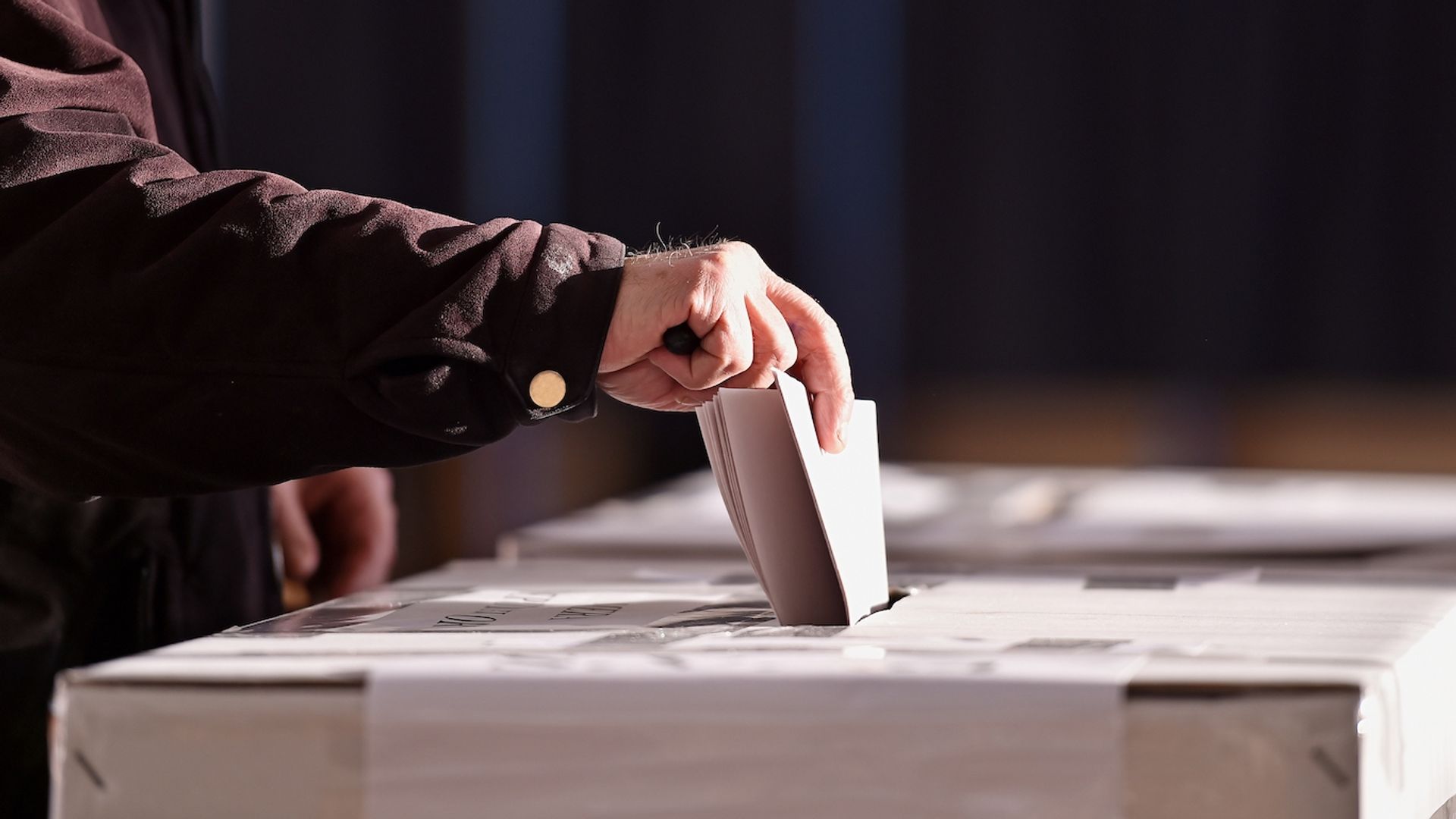
A regulated trading platform has launched a new online hub where individuals can follow how money is moving in markets related to this fall’s midterm elections, providing one of the most extensive public views yet into what real-money dealers expect to happen on Election Day.
This week, Kalshi, a federally approved financial exchange, debuted its Midterms Hub, giving anybody with an internet connection a real-time glimpse of where traders are placing bets on US Senate, House, and governor races around the nation.
The software was developed, according to the business, for voters, media, campaign workers, and researchers who want the most recent information on close elections.
The hub gathers various election-related data in one location.
VoteHub allows users to view polling averages, which makes it simple to compare the results of opinion polls with what prediction markets anticipate.
Additionally, it shows the most recent Federal Election Commission campaign finance data, such as the amount of money each candidate has raised and the percentage of contributions under $200, which helps demonstrate whether support is mostly provided by larger or smaller grassroots donors.
Users can also access curated political news and view 2020 and 2024 presidential election results by state and congressional district.
The odds fluctuate in real time whenever a survey is released, a candidate makes news, or a debate ends, since the markets are open 24/7.
The firm claims that the candidate supported by Kalshi merchants has won nine out of ten elections since 2024, including three months prior to the election.
This was tested by The Washington Post, which examined hundreds of 2026 primary contests on the site and found that about 75% of them were won by candidates with odds between 70% and 80%.
Kalshi CEO Tarek Mansour, who attended MIT and formerly worked as a trader at Citadel and an analyst at Goldman Sachs, believes these marketplaces are more difficult to influence with partisan spin than traditional polls or comments.
Mansour said prediction markets offer a clearer view of election expectations by reflecting financially backed forecasts rather than political rhetoric, making the Midterms Hub a useful source of insight.
According to the company, about 75% of people who visit Kalshi do not make any trades. Instead, they use the platform to see how election contracts are currently priced.
Midterm trading nears $200 million
The rollout comes after a court ruling in 2024 that made it lawful for Americans to bet on federal elections.
Earlier this year, in May, Kalshi unveiled the American Power Index, also known as KPOW, which he described as a political power index akin to the S&P 500.
The indicator combines who now controls the government with what traders predict will happen next. It is displayed as a single figure on a scale of positive 50 for Democrats and positive 50 for Republicans.
The volume of trades has been rising quickly.
Kalshi alone has already made over $30 million from contracts related to the party’s control of the House and Senate following November.
The total amount bet on midterm results has increased to over $200 million, including rival website Polymarket.
In honor of the hub’s debut, Kalshi organized an event in Washington, D.C., where Democratic strategist Stephanie Cutter moderated a conversation between Mansour and Republican pollster Kristen Soltis Anderson and former White House Director of Digital Strategy Rob Flaherty.
Platform moves into drug trial betting
The company is also moving into a new area that is letting users bet on the outcomes of drug trials and Food and Drug Administration rulings.
Kalshi partnered with AppliedXL, a firm that tracks pharmaceutical data, to verify what official documents will determine each trade’s outcome.
Three rules regulate the pilot:
- Trading is restricted to late-stage trials only.
- To avoid the impact of trade on recruiting, markets open only after patient enrollment has ended.
- Additionally, the platform analyzes employment records to prevent anyone with inside information, such as trial investigators, from participating.
Medical researchers and healthcare professionals have fought back. According to Stat News, several experts are concerned about the long-term effects of allowing public trading in this type of market.
Don’t just read crypto news. Understand it. Subscribe to our newsletter. It's free.













 English (US)