
 2 hours ago
391
2 hours ago
391

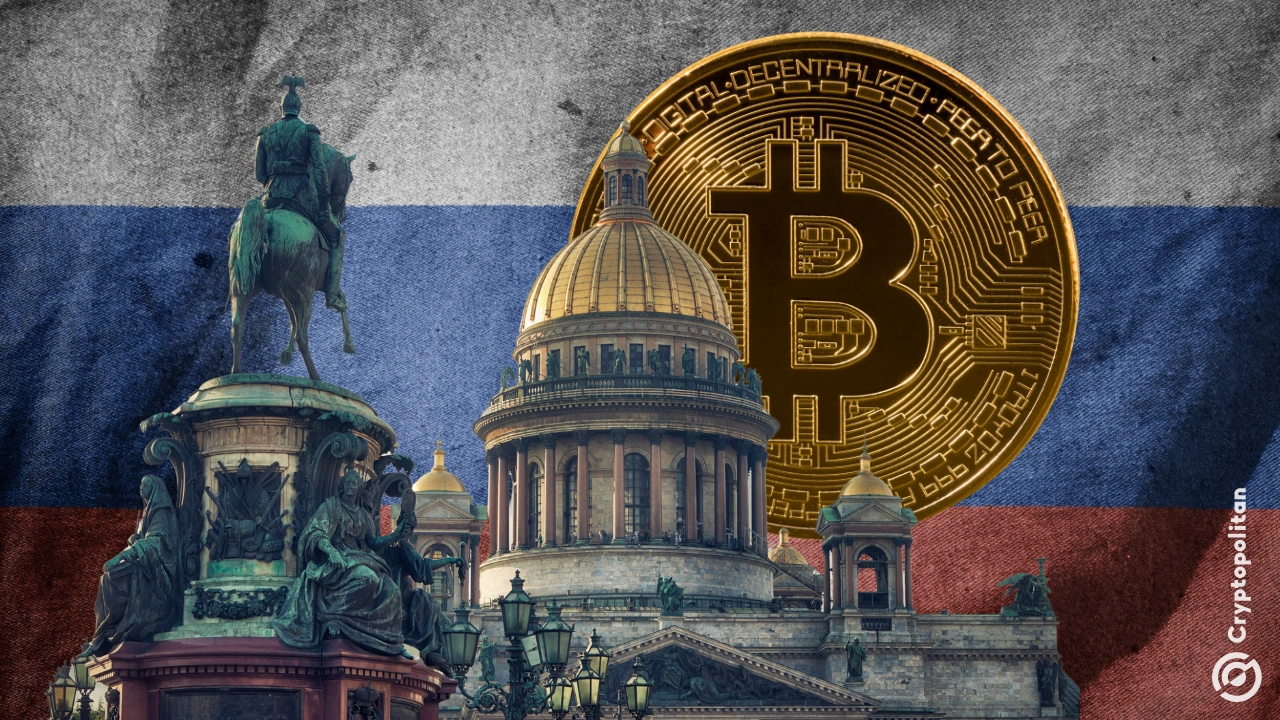
In a significant move, Russian President Vladimir Putin has enacted new legislation focused on the regulation of digital currencies, providing clarity on digital rights while continuing to restrict their use as a payment method. The new law sets the groundwork for the operation of cryptocurrency exchanges within the nation, but it upholds the ban on utilizing digital assets for payment purposes in Russia.
What Changes for Cryptocurrency Exchanges?
Only registered entities will be authorized to function as cryptocurrency exchanges under the new legal framework, according to a report by Tass. This registration requirement aims to ensure greater regulatory supervision of digital asset trading and align with the government’s broader economic objectives.
Retail investors will face an annual trading cap, restricted to 300,000 rubles, approximately $3,700, on high-liquidity digital currencies. Meanwhile, accredited investors will enjoy unrestricted trading opportunities. These measures are meticulously crafted to protect inexperienced participants while permitting seasoned investors more freedom in the crypto market.
Are Digital, Cross-Border Transactions Possible?
Yes, certain international transactions involving digital currencies will remain possible. Residents may use these assets for settling trade agreements with non-residents and in cryptocurrency mining activities. This selective permission underscores the balance that Russian authorities are attempting to strike between fostering international trade and restricting domestic use.
Over recent years, Russian officials have worked diligently on crafting a regulatory architecture for digital assets. These legislative actions continue to reflect efforts to mitigate risks while maintaining compliance with global sanctions.
President Putin has previously expressed positive views on blockchain technology, acknowledging its impact on world finance. His remarks from 2024 emphasized the nature of decentralized innovations like Bitcoin.

“For example, Bitcoin, who can ban it? Nobody,” Putin remarked in 2024.
- New law requires exchange registration to operate.
- Retail investors have an annual trading cap of 300,000 rubles.
- Qualified investors face no trading limits.
- Domestic crypto payments remain prohibited in most scenarios.
- International use permitted under specific conditions, including mining.
While Russia embraces the selective use of digital currencies internationally, domestic regulations remain stringent, emphasizing control over payments. This approach is seen as a strategic maneuver to circumvent international financial pressures while carefully safeguarding its domestic economic landscape.














 English (US)