
 1 month ago
8429
1 month ago
8429
.png)
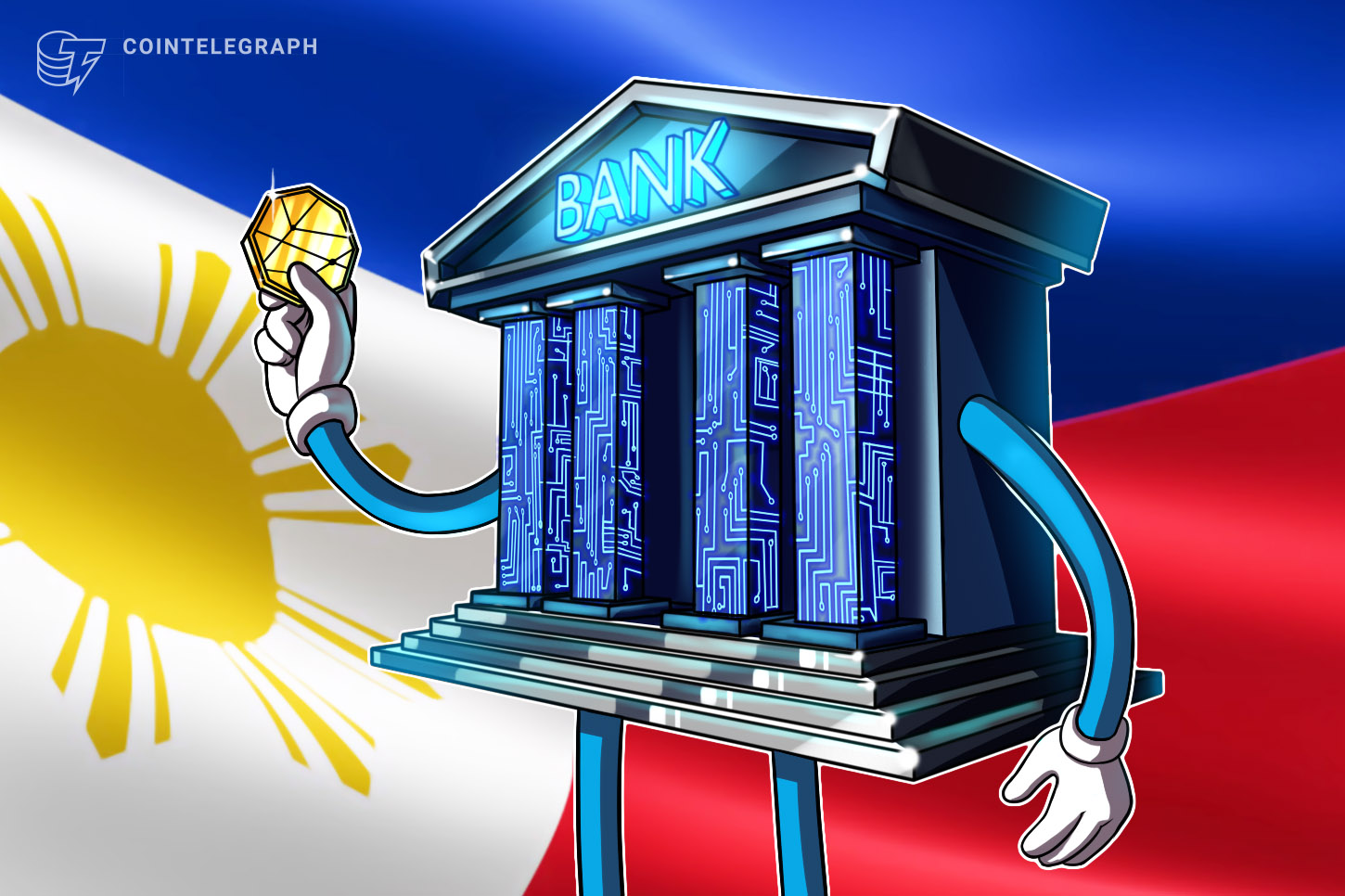
This means that the crypto trading platform of Sberbank will be operational by the end of December.
According to Interfax, the bank, listed in Moscow under SBER and SBERP, is developing instruments that will allow it to track ownership and conduct transactions and customer operations in line with the laws that are currently being considered by the parliament.
Alexander Vedyakhin, First Deputy Chairman of Sberbank’s Management Board, said:
“One of the key elements of the new infrastructure will be a digital depository, which will maintain records of clients’ cryptocurrency rights and account for transactions outside the main blockchain. It will also facilitate transactions on active wallets to fulfill clients’ currency transfer orders. Sberbank plans to implement the necessary infrastructure for cryptocurrency trading and launch the digital depository by December 1, 2026.”
Sberbank builds the systems needed for licensed crypto trading
The work follows the State Duma’s approval of the On Digital Currency and Digital Rights bill on July 21. Lawmakers passed it at the third reading, which sends it next to the Federation Council. After that, it would need President Vladimir Putin’s signature before becoming law.
The bill covers the chain of crypto activity. It sets rules for purchases by citizens, licensed middlemen, exchange trading, clearing, custody, and digital depositories. Russia currently allows crypto ownership, mining, trading, and some overseas use under separate rules. Local payments with cryptocurrencies are still banned.
Such a dual system is based on tax legislation, anti-money laundering measures, mining legislation, and digital financial asset legislation. This has led to enterprises operating under multiple legal frameworks rather than a single set of rules. Cryptocurrency continues to attract interest, partly due to sanctions, which complicate cross-border transactions for Russian enterprises.
Vedyakhin said “A large number of bylaws necessary for building the infrastructure and technological base—from depository and accounting systems to licensing new types of intermediaries—remain to be developed and adopted. Sber is ready to continue sharing its expertise and actively participate in this work.”
The bank already has years of work behind it. Since 2022, Sberbank has appeared on Russia’s register of information system operators. That status allowed it to take part in the country’s digital financial asset, or DFA, market.
In 2025, Sberbank began selling qualified investors structured bonds and DFAs linked to Bitcoin, Ethereum, and baskets holding several cryptocurrencies. In December 2025, it also finished a test involving loans backed by crypto. The bank used that trial to check how crypto could work as collateral and how its systems would handle the related risks and records.
Russia puts exchanges and investors under tighter state control
The new framework would require exchanges, brokers, custodians, and digital depositories to obtain licenses. The Bank of Russia would supervise those firms, keep official lists of approved operators, and check whether they follow the rules. Only companies placed on the special register would be allowed to provide crypto exchange services.
Firms will not have to secure approval overnight. The plan gives market players a two-year grace period while they apply. They can continue operating outside the register until July 1, 2027, provided they use that window to complete the licensing process.
Retail access will come with a hard cap. Non-qualified investors would be allowed to buy about 300,000 rubles, or roughly $3,800, in digital assets each year through approved intermediaries. Qualified investors would not face that yearly limit.
The bill keeps the ruble as Russia’s only legal tender. Crypto and digital rights still cannot be used for ordinary domestic purchases. However, the law allows narrow exceptions for foreign trade deals between residents and non-residents, payments involving coins produced through mining, and settlements tied to securities, other digital currencies, or digital rights.
That setup leaves crypto open for investment and selected international deals while blocking it from everyday use inside Russia. If the Federation Council and Putin approve the bill, its main provisions are due to start on September 1, 2026.
Don’t just read crypto news. Understand it. Subscribe to our newsletter. It's free.














 English (US)