
 1 hour ago
429
1 hour ago
429

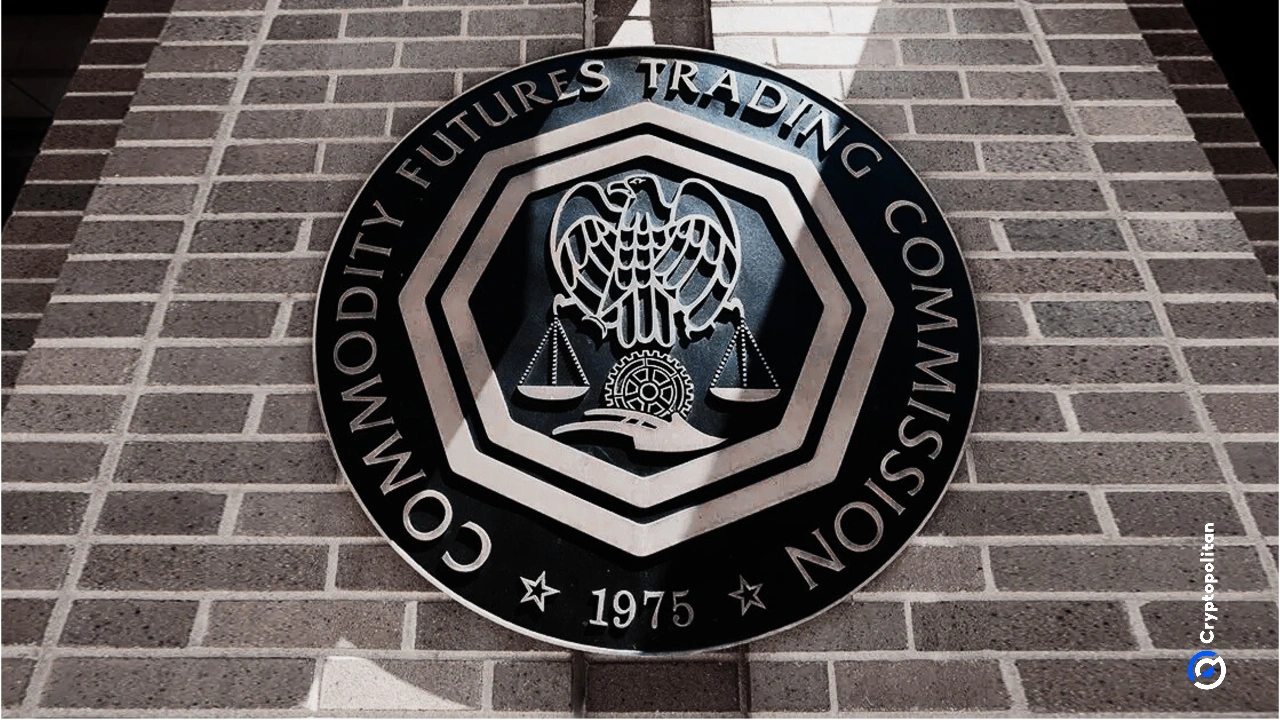
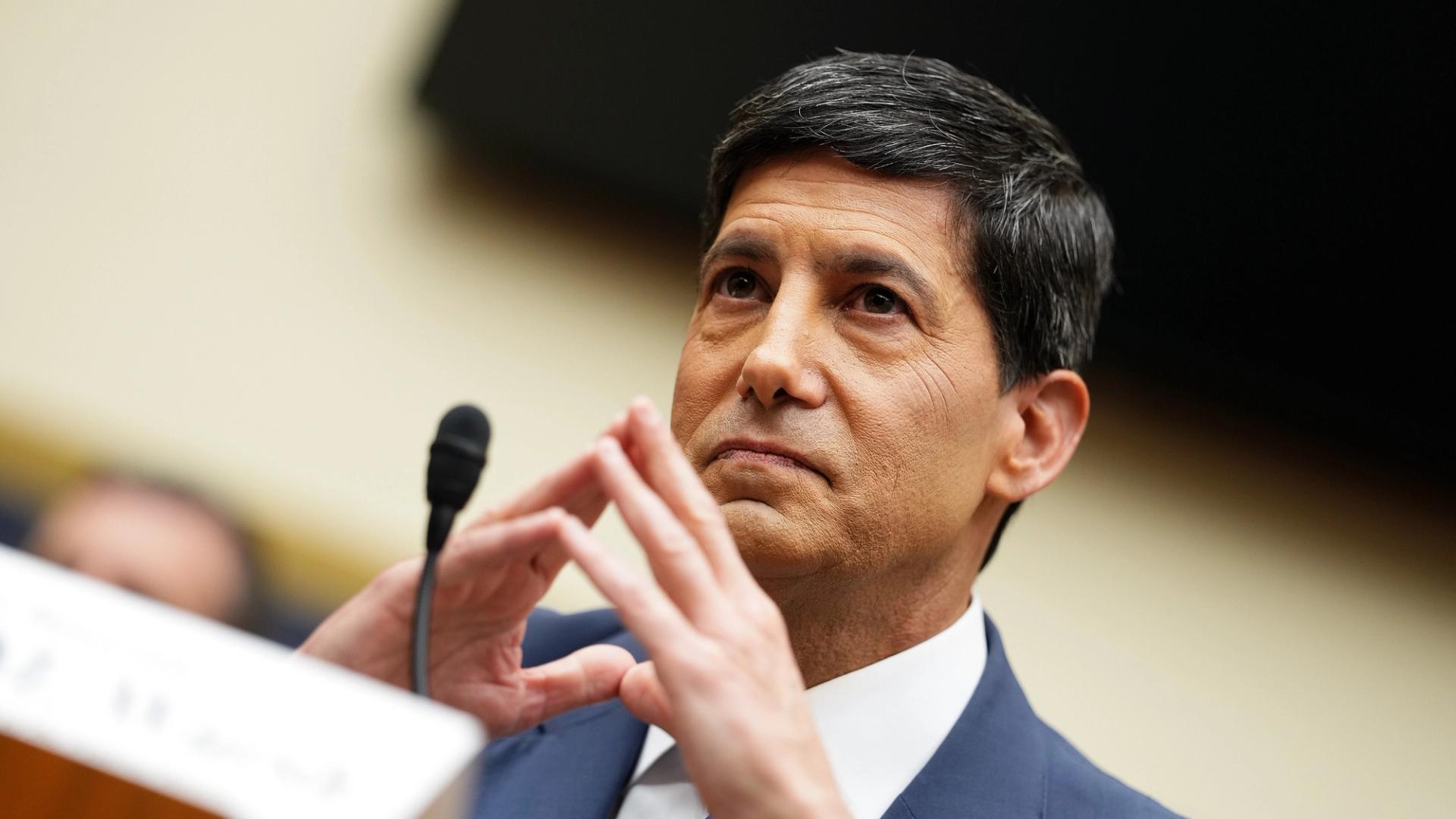
The hesitancy of U.S. authorities to fully embrace cryptocurrency has been often tied to concerns about potential risks. Yet, former CFTC Chairman Chris Giancarlo presents a more direct viewpoint, suggesting that the real issue is political. He claims that crypto’s widespread adoption could undermine Washington’s control over economic capital distribution.
Political Power Shift?
Giancarlo notes that the Dodd-Frank Act has empowered policymakers with new influence over capital. He highlights how figures like Senator Elizabeth Warren have adeptly used this legislation to impact financial markets. Cryptocurrencies, by contrast, promise to bypass this political layer by relying on impartial algorithms to govern capital allocation.
In Giancarlo’s words, “If we get the algorithms right, the algorithms aren’t going to recognize somebody’s skin color or their other differentials,” implying a more equitable distribution mechanism, free from political agendas.
What Does the CLARITY Act Mean?
The CLARITY Act, a legislative proposal aimed at cryptocurrency regulation, is currently under debate in Congress. Passed by the House, it faces hurdles in the Senate and seems unlikely to be advanced this session, according to Senate Majority Leader John Thune. If delayed, comprehensive crypto legislation might not emerge until at least 2030.
Challenges remain as some lawmakers grapple with relinquishing regulatory control over digital assets. Giancarlo argues that enacting the CLARITY Act could limit Washington’s regulatory authority, reducing political discretion in favor of transparent algorithmic decision-making.
XRP: Positioned for Clarity
XRP, a digital asset often scrutinized by U.S. authorities, could see benefits from the CLARITY Act, given its past legal ambiguities. Should this legislation pass, a framework clarifying roles between the SEC and CFTC may provide stable ground for XRP and similar digital currencies.

Furthermore, advocates argue that the bill would support a principle-driven regulatory approach, consistent with the ideals of blockchain and decentralized digital assets like XRP.
Several key points arise from the ongoing debate:
- The CLARITY Act could provide much-needed regulatory transparency for cryptocurrencies.
- Dividing oversight between financial regulators could foster innovation and confidence.
- Platforms such as 1stepSwap are advancing by integrating traditional assets and blockchain technology.
These discussions present a fundamental conflict: the desire for innovation versus the maintenance of political influence over financial systems. As debates unfold, the trajectory of digital assets within U.S. policy continues to evolve, shaping the landscape of modern finance.
















 English (US)