
 1 hour ago
598
1 hour ago
598
.png)
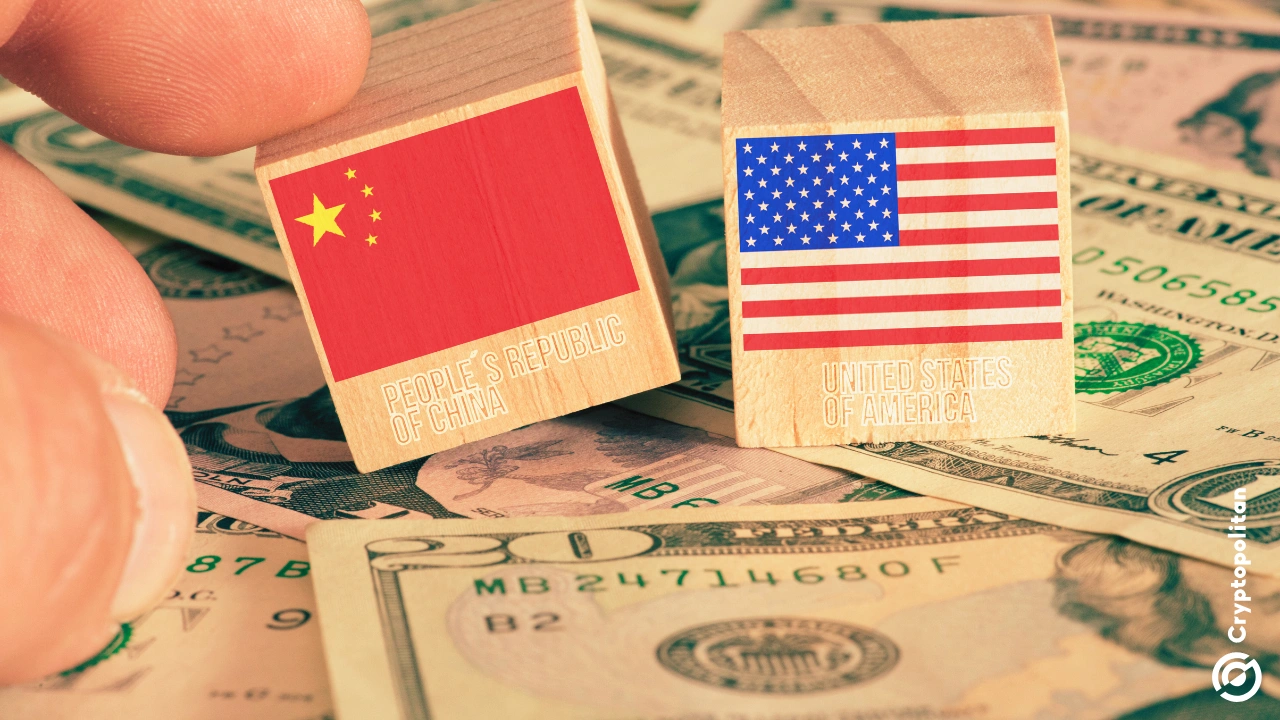
Washington has a pretty obvious problem with its Nvidia (NASDAQ: NVDA) restrictions. It can stop the company’s most powerful chips from being shipped directly into China, but that does not necessarily stop Chinese AI companies from using them.
If those processors are sitting inside a data center somewhere else, a Chinese developer can potentially pay to use the computing power remotely. Nvidia makes many of the fastest processors used to train AI systems, so the U.S. has made chip export controls a major part of its effort to stay ahead of China.
Nvidia’s GB300 is among the products that cannot currently be sold into China, but some less powerful chips can still be exported there.
But Chinese companies have reportedly been getting access to more advanced computing through cloud services running from other countries, including locations in Southeast Asia.
Chinese AI companies rent Nvidia computing power from data centers outside China
The problem is current U.S. restrictions are mainly focused on who buys the chip, where the chip is shipped and who physically has it. They do not automatically stop a company in China from paying to use a machine that is sitting in another country.
Cassia King, a senior researcher on the Compute Policy team at the Institute for AI Policy and Strategy, told CNBC that Moonshot’s reported use of the facility in Thailand could still be legal “so long as Moonshot isn’t actually buying and owning the physical hardware directly.”
Cassia also explained that the U.S. system “controls physical AI chips. It does not cover remote access to those chips.”
According to CNBC, the White House defended the administration’s current approach. “The Trump administration has implemented the most rigorous export control regime in modern history, and is committed to safeguarding America’s national and economic security,” the official said.
The company operating the service also said customers do not own the chips behind the infrastructure or gain physical control over them.
“The companies we service do not have ownership, potential future claim or physical access to the chips that power our solutions,” the spokesperson said. “Any permitted access to our services, infrastructure or technology is fully compliant with all applicable regulations.”
Nvidia builds deeper ties across AI infrastructure as retail investors buy more protection
The fight over chip access is happening while Nvidia shares remain up for 2026, although the stock has not climbed as quickly as it did last year. NVDA is trading around $225, after gaining about 39% last year, based on historical pricing data gotten from Yahoo Finance.
Bank of America (NYSE: BAC) analyst Vivek Arya believes the market is worrying too much about the risks that come with Nvidia taking on more financial exposure outside its main balance sheet. Vivek kept his Buy rating and left his $350 price target unchanged, which is a 55.5% surge from current price at press time.
Bank of America is also looking at Nvidia as more than a company that sells GPUs, believing it is getting involved in more parts of the huge AI buildout and securing things that are already difficult to get.
The company also brings in money by renting out GPU capacity and generates a large amount of cash. But if Nvidia keeps using some of its own money to support other companies, projects and infrastructure around AI, investors cannot treat every dollar of free cash flow as money that will eventually come back to them.
BofA deals with that by separating Nvidia’s cash generation into two parts. About 50% is counted as cash that can go back to shareholders through share repurchases and dividends, while the other half is money that could be used for investments, financing and other spending tied to Nvidia’s wider AI business.
If you're reading this, you’re already ahead. Stay there with our newsletter.
















 English (US)